
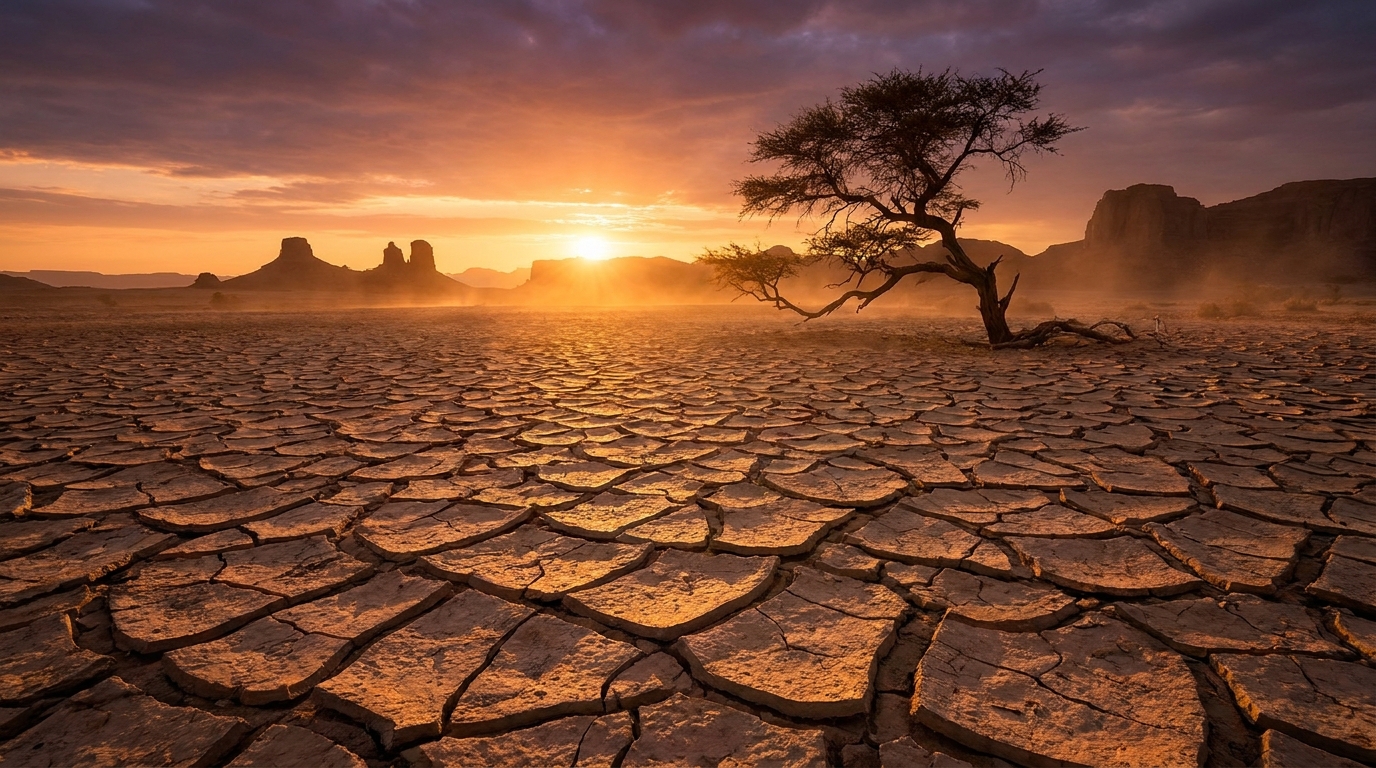
Humans can usually survive only a few days without water, but there are animals that can survive without water for months or even years. For many of them, a lack of water is just another normal part of life. In deserts, dry grasslands and seasonal ponds that vanish every summer, nature has come up with some truly amazing survival tricks.
Some of these animals get all the moisture they need from their food. Others store water inside their bodies like living canteens. And a few simply shut down, sealing themselves away until the rain returns, sometimes years later. Here are eight of the most incredible animals that can survive without water.
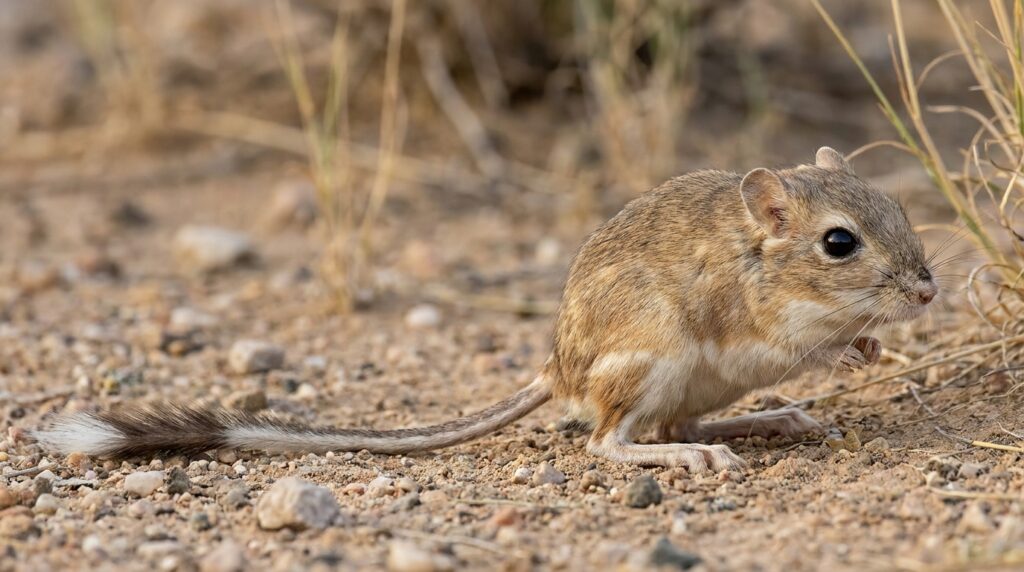
1. Kangaroo rat – the animal that may never drink
The kangaroo rat lives in the deserts of North America, and it is one of the best water savers on Earth. Many kangaroo rats never drink a single drop of water during their entire lives.
How is that possible? When the kangaroo rat digests the dry seeds it eats, its body produces water as a by-product of breaking down food. This is called metabolic water. Its kidneys are incredibly efficient and produce very concentrated urine, so almost no water is wasted. Even its nose helps: special nasal passages cool the air it breathes out and recapture moisture before it can escape. During the hottest part of the day, it hides in a cool, humid burrow, coming out only at night.
2. Camel – the ship of the desert
The camel is probably the most famous animal of dry places, but there is a popular myth to clear up first: a camel’s hump does not hold water. It is mostly fat, which the camel can break down for energy when food is scarce.
Camels can go a week or more without drinking in extreme heat, and much longer in cooler weather when they get moisture from the plants they eat. They can lose around a quarter of their body weight in water and still survive, something that would be deadly for most mammals. When they finally reach water, they can drink a huge amount in just a few minutes. Their oval-shaped red blood cells keep flowing even when their blood becomes thick from dehydration, and their body temperature can rise during the day, which means they sweat less and save precious water.
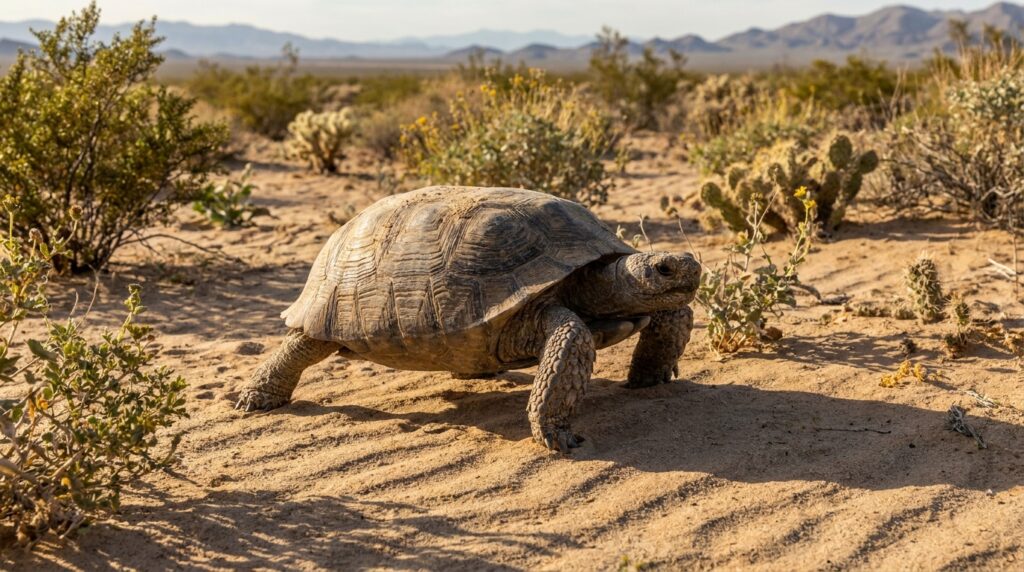
3. Desert tortoise – carrying its own water tank
North America’s desert tortoises can go a year or more between drinks. Their secret is an extra-large bladder that works like a built-in water tank. It can hold water and liquid waste equal to up to around 40% of the tortoise’s body weight.
During long droughts, the tortoise slowly reabsorbs water from its bladder to stay hydrated. When rain finally falls, it drinks deeply and refills its reserves. This is also why wildlife experts warn people never to pick up a wild desert tortoise: if it gets frightened, it may empty its bladder and lose the water it needs to survive the dry season.
4. Thorny devil – drinking through its skin
The thorny devil is a small, spiky lizard from the Australian outback that looks like a tiny dragon. It has one of the strangest ways of drinking in the animal kingdom.
Its skin is covered in tiny grooves between the scales. When the lizard touches dew, rain or even damp sand, water is drawn into these grooves by capillary action, the same force that pulls water up a paper towel. The grooves lead all the way to the corners of its mouth, so the thorny devil can “drink” just by standing in wet sand or brushing against damp plants, gulping the water as it arrives.
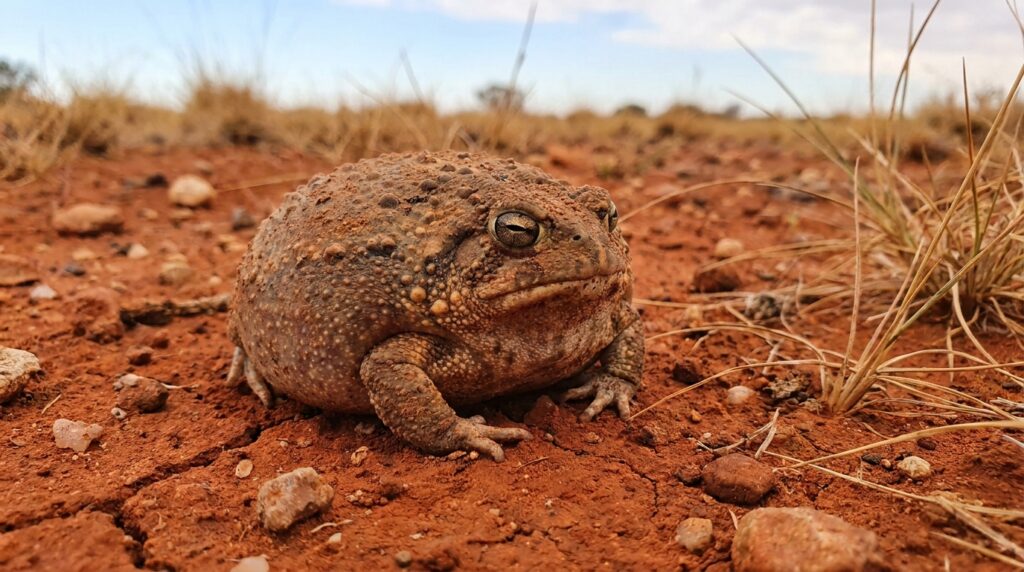
5. Water-holding frog – years asleep underground
Australia’s water-holding frog lives in some of the driest parts of the continent, where rain can be rare for years at a time. When it does rain, the frog soaks up as much water as it can, storing it in its bladder and body tissues until it looks almost like a small water balloon.
Then it digs deep into the ground and wraps itself in a cocoon made from layers of its own shed skin, leaving only its nostrils exposed. Its metabolism slows almost to a stop, and it can wait like this for several years until the next heavy rain. Traditionally, some Aboriginal Australians knew how to find these buried frogs and gently squeeze them for drinking water in emergencies.
6. West African lungfish – living in dried mud
Lungfish are unusual fish that can breathe air. When the lakes and rivers of West Africa dry up, the West African lungfish burrows into the mud and covers itself in a layer of mucus that hardens into a protective cocoon.
Inside this cocoon, it breathes through a small air channel to the surface and slows its body down dramatically. It can survive like this in dried mud for up to about four years. When the rains return and the mud softens, the fish wakes up and swims away within hours, as if nothing had happened.
7. Couch’s spadefoot toad – a skin blanket underground
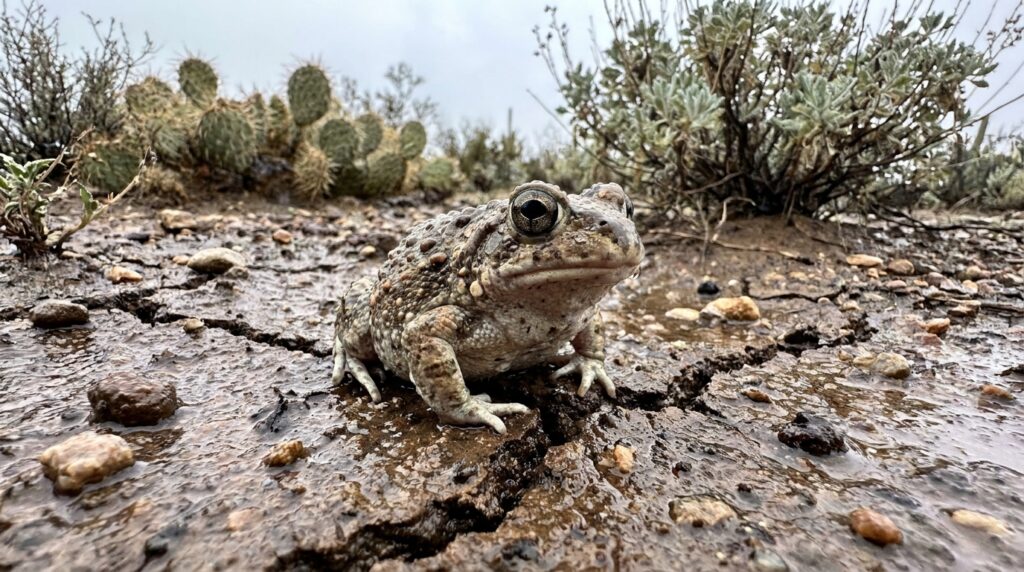
The Couch’s spadefoot toad lives in the deserts of the southwestern United States and Mexico. It spends most of the year buried deep underground, sometimes for most of a year at a time, waiting for summer storms.
Like the water-holding frog, it surrounds itself with layers of partly shed skin to slow down moisture loss. It can also raise the concentration of salts in its body, which helps it pull water out of slightly damp soil. When the first heavy rains arrive, the toads emerge in large numbers, breed quickly in temporary pools and then disappear underground again.
8. Tardigrade – the toughest animal on Earth
Tardigrades, also called water bears or moss piglets, are tiny eight-legged animals usually less than a millimeter long. They might be small, but they are famous for being almost indestructible.
When their environment dries out, tardigrades curl up into a dried-out ball called a tun. They replace the water in their bodies with special sugars and proteins that protect their cells, and their metabolism drops to a tiny fraction of normal. In this state they can survive for decades. Scientists have revived tardigrades that had been dried out for more than 30 years. They can also withstand extreme cold, heat, pressure and even the vacuum of space.
What animals that can survive without water teach us
From the tiny tardigrade to the mighty camel, these animals that can survive without water show just how creative life can be when water is scarce. Some save every drop they get, some carry their own supply, and some simply press pause on life until better times return.
As climate change brings longer and more severe droughts to many parts of the world, scientists are studying animals that can survive without water more closely than ever. Their incredible abilities could help us understand how life adapts to extreme conditions, and maybe even inspire new ways to protect crops, store medicines or keep people safe during water shortages.
Save this for later
You might also like
Want more? Browse all our Animals stories.