
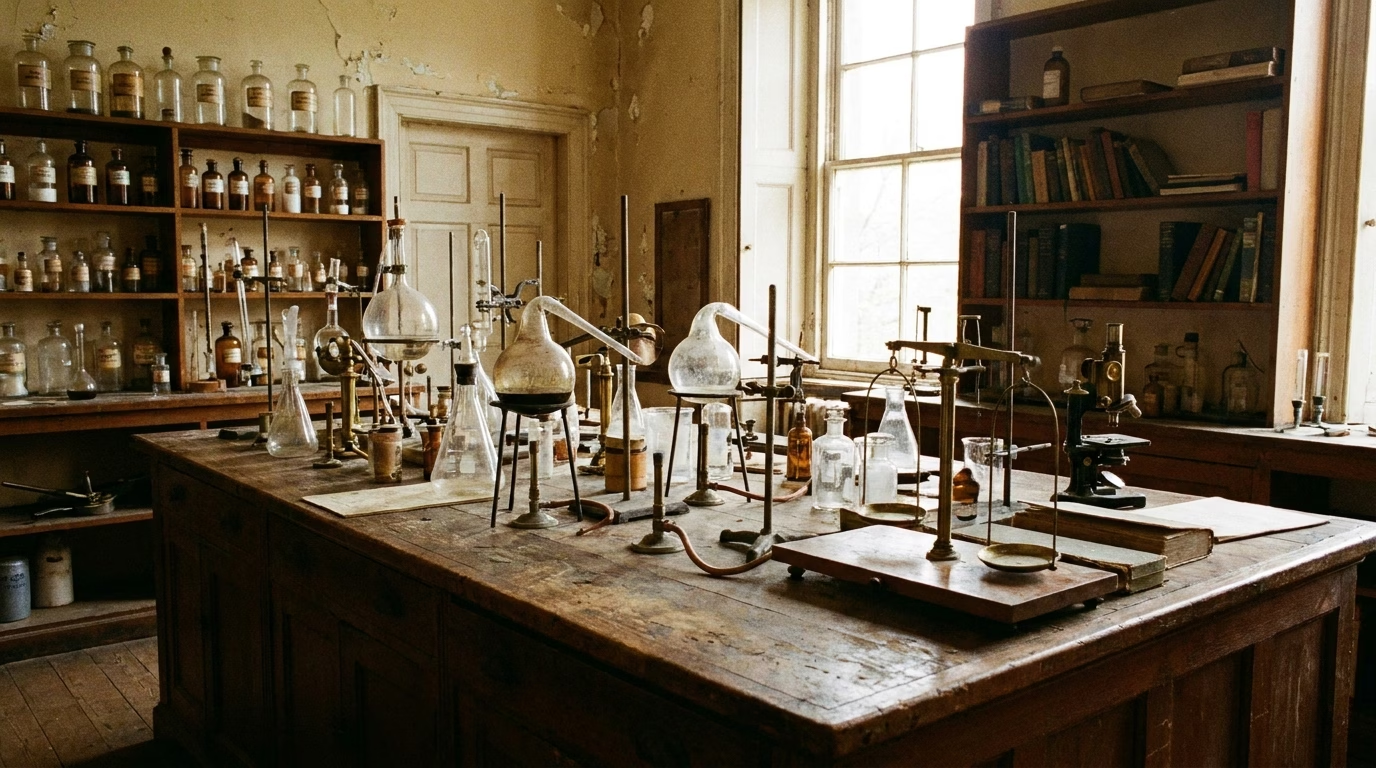
Some of the most important inventions in history were never supposed to happen. A scientist left a dish out before a vacation. An engineer noticed his snack melting. A man walking his dog got annoyed by sticky seeds. These are inventions discovered by accident, and many of them are now part of your everyday life.
The secret is not just luck. Each of these inventors noticed something strange and asked, “Why did that happen?” Here are 11 accidental inventions that changed the world.
1. Penicillin (1928)
In 1928, Scottish scientist Alexander Fleming left a stack of bacteria cultures in his lab while he went on a two-week vacation. When he came back, he noticed that mold had grown on one of the dishes, and the bacteria around the mold had stopped growing.
That mold produced penicillin, the world’s first true antibiotic. It went on to save millions of lives by treating infections that were once deadly, and it changed modern medicine forever.
2. The microwave oven (1945)
In 1945, engineer Percy Spencer was working with radar equipment at the company Raytheon when he noticed something odd: the chocolate bar in his pocket had melted. He realized the microwaves from the equipment were heating it.
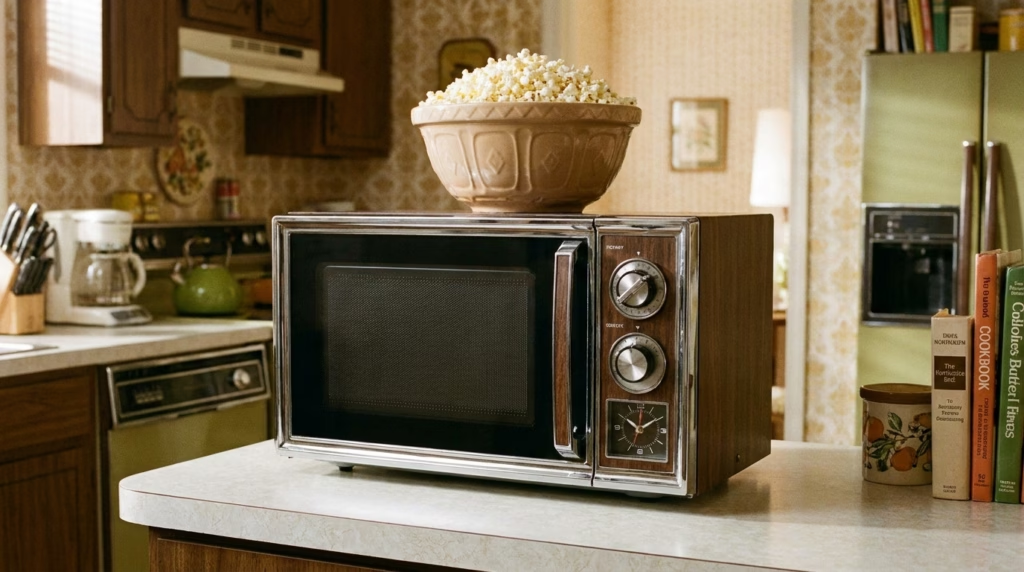
Spencer experimented with other foods, including popcorn, and the idea for the microwave oven was born. Today, it is one of the most common appliances in kitchens around the world.
3. X-rays (1895)
In 1895, German physicist Wilhelm Röntgen was experimenting with cathode ray tubes in a darkened lab when he noticed a screen on the other side of the room glowing. Some kind of invisible ray was passing through the air.
He called them X-rays because they were unknown. Within months, doctors were using them to look inside the human body without surgery. Röntgen won the first Nobel Prize in Physics for his discovery.
4. Post-it Notes (1968)
In 1968, 3M scientist Spencer Silver was trying to create a super-strong adhesive. Instead, he made a weak glue that could stick to surfaces and peel off again without leaving a mark. For years, nobody knew what to do with it.
Later, his colleague Art Fry wanted a bookmark that would not fall out of his church hymnal. He used Silver’s glue, and the idea that became Post-it Notes was born. They launched nationwide in the United States in 1980.

5. Velcro (1941)
In 1941, Swiss engineer George de Mestral came home from a walk with his dog and noticed burrs from a plant stuck to his clothes and his dog’s fur. Curious, he looked at them under a microscope and saw tiny hooks that grabbed onto loops in fabric and fur.
He spent years copying the idea with fabric, and the result was Velcro, now used on shoes, bags, jackets and even in space.
6. The pacemaker (late 1950s)
Engineer Wilson Greatbatch was building a device to record heart sounds when he installed the wrong resistor. Instead of recording, the circuit started giving off steady electrical pulses, like a heartbeat.
He realized those pulses could help regulate a weak heart. His work led to one of the first implantable pacemakers, and today these devices help millions of people live longer lives.
7. Safety glass (early 1900s)
French chemist Édouard Benedictus accidentally knocked a glass flask off a shelf. To his surprise, it cracked but did not shatter into dangerous pieces. The flask had a thin coating of plastic inside from an earlier experiment, which held the broken glass together.
This idea led to safety glass, which is now used in car windshields and has prevented countless injuries.

8. Teflon (1938)
In 1938, chemist Roy Plunkett was working on a new refrigerant gas when one of his containers seemed to stop working. Inside, he found a slippery white powder. He had accidentally created polytetrafluoroethylene, better known as Teflon.
It became famous as the coating on non-stick pans, but it is also used in cables, medical devices and space suits.
9. Super glue (World War II)
During World War II, scientist Harry Coover and his team were trying to make clear plastic for gun sights. They kept producing a substance that stuck to everything, which was useless for their project.
Years later, Coover realized how valuable that super-sticky material could be. It became super glue, one of the strongest household adhesives in the world.
10. Saccharin (1879)
In 1879, chemist Constantin Fahlberg spent a day working with chemicals in his lab and went home without washing his hands properly. At dinner, he noticed that his bread tasted strangely sweet. He traced the taste back to a chemical he had been working with.
That accident gave the world saccharin, one of the first artificial sweeteners.
11. The Slinky (1943)
In 1943, naval engineer Richard James was working with tension springs when he knocked one off a shelf. Instead of just falling, it “walked” in a series of loops across the floor.
He and his wife, Betty, turned the spring into a toy and named it the Slinky. It became one of the best-selling toys in history.

Why inventions discovered by accident matter
These inventions discovered by accident show that mistakes are not always failures. The key was curiosity. Fleming, Spencer, Röntgen and the others noticed something unexpected and took the time to investigate instead of throwing it away.
The next time something surprising happens, take a closer look. Your happy accident might be the next big idea.
Frequently asked questions
What famous inventions were discovered by accident?
Penicillin, the microwave oven, X-rays, Post-it Notes, Velcro, the pacemaker, safety glass, Teflon, super glue, saccharin and the Slinky were all discovered by accident.
How was penicillin discovered?
In 1928, Alexander Fleming returned from vacation and noticed mold had grown on a bacteria dish, and the bacteria near the mold had stopped growing.
How was the microwave invented?
In 1945, Percy Spencer noticed that a chocolate bar in his pocket melted while he worked near radar equipment, which led him to develop the microwave oven.
Who invented Post-it Notes?
3M scientist Spencer Silver created the weak, reusable adhesive in 1968, and his colleague Art Fry used it to make removable bookmarks, which led to Post-it Notes.
Save this for later
You might also like
Want more? Browse all our History stories.