
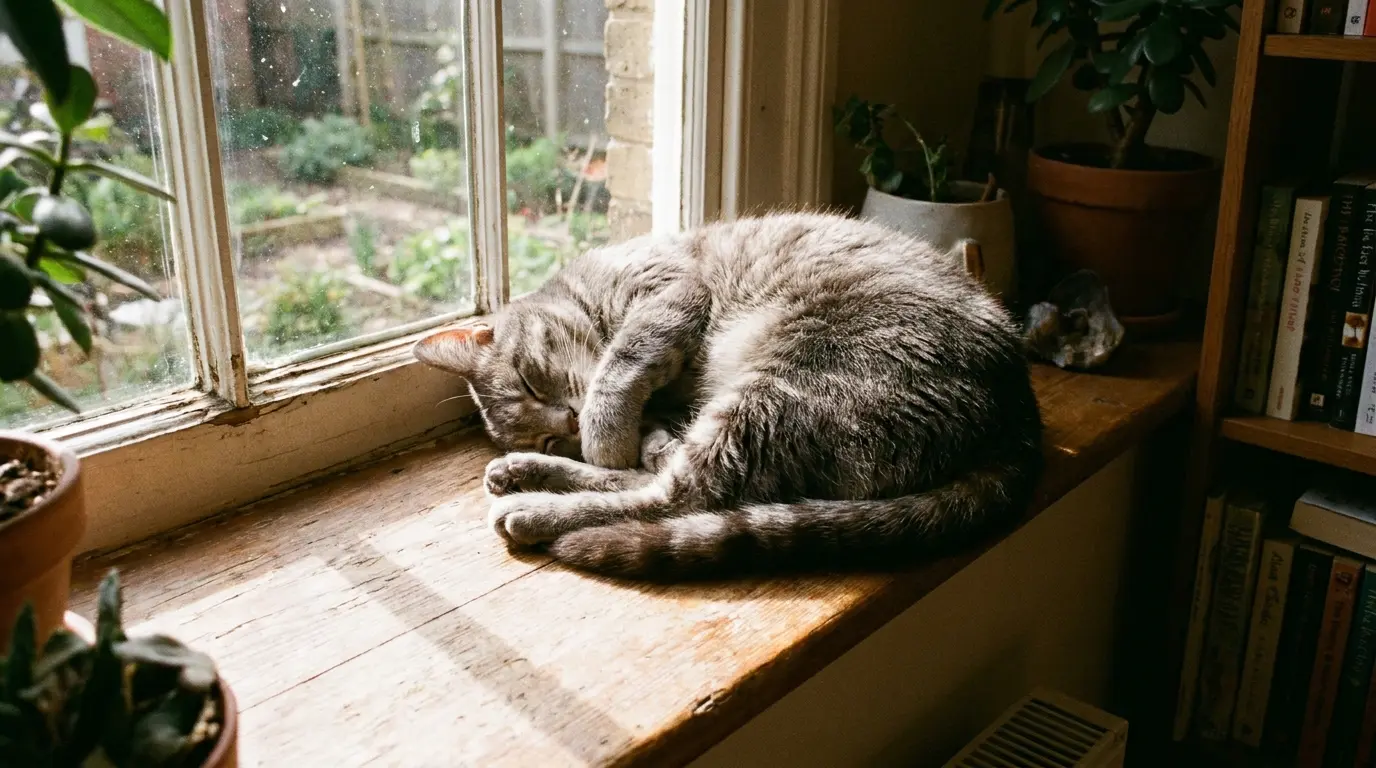
If you live with a cat, you have probably noticed that it spends most of the day asleep. On the sofa, in a sunny window, inside a cardboard box or right on top of your laptop, cats seem to be experts at napping anywhere. So why do cats sleep so much?
It is not laziness. Cats sleep a lot because of the way their bodies and brains evolved as hunters. In this guide, we explain how much cats really sleep, the main reasons behind all those naps, what different sleeping positions mean, and when a sleepy cat might need a vet.
How much do cats sleep?
Most adult cats sleep around 12 to 16 hours a day. Some sleep even more, up to 20 hours, especially kittens and older cats. That means many cats spend around two-thirds of their lives asleep.
Compare that with humans, who need about 7 to 9 hours a night, or dogs, which usually sleep around 12 to 14 hours. Cats really are among the sleepiest pets you can own.
Why do cats sleep so much? 6 main reasons
1. Cats are built to save energy for hunting
Wild cats are predators. Hunting takes a lot of energy: stalking, pouncing, chasing and fighting prey all require short, powerful bursts of activity. Between hunts, cats need to rest and recover so they are ready for the next opportunity.
Even though your pet cat gets its dinner from a bowl, its body still follows this ancient pattern. Cats sleep for long periods so they can save energy for those short bursts of play and “hunting” that you see when they suddenly sprint around the house.
2. Cats are most active at dawn and dusk
Cats are crepuscular, which means they are naturally most active at dawn and dusk. In the wild, these are the times when many of their prey animals, such as mice and birds, are on the move.
This explains why your cat may sleep for most of the afternoon and then become wide awake in the early morning, often waking you up with loud meows or a paw in your face. Their sleep is spread across the day and night instead of in one long block.
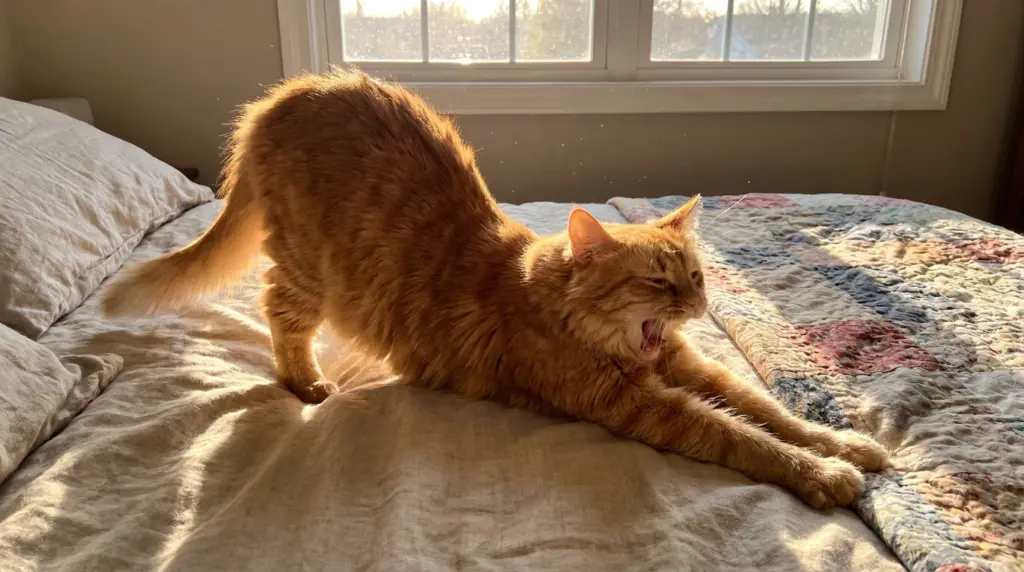
3. Much of their sleep is light dozing
Not all cat sleep is deep sleep. A large part of it is light dozing, the famous “cat nap.” During this kind of sleep, a cat can wake up very quickly. You may notice its ears twitching toward sounds or its eyes opening slightly when something moves. This light sleep lets a cat rest while still staying alert to danger or opportunities.
Cats also have shorter periods of deep sleep, often called REM sleep. During deep sleep, you may see their whiskers, paws or tails twitch. Many scientists believe cats dream during this stage, just like people do.
4. Kittens and older cats need extra sleep
Kittens sleep a lot because their bodies and brains are growing fast. Much of their growth happens while they sleep. Senior cats also sleep more, as they have less energy and may have stiff joints or other age-related changes.
So if you have a very young or very old cat, more sleep is usually completely normal.
5. Boredom and indoor life
Indoor cats often sleep more than outdoor cats simply because there is less to do. If nothing interesting is happening, a cat will happily nap to pass the time. Too much sleep from boredom is not dangerous in itself, but it can lead to weight gain and a less happy cat.
Short play sessions with wand toys, puzzle feeders, climbing trees and window perches can give your cat more to look forward to while it is awake.
6. Weather and comfort
Many cat owners notice that their cats sleep more on cold, rainy or gloomy days. Cats love warmth, and a cozy bed or sunny spot can be very hard to resist. Comfort and safety also play a big role. A cat that feels secure in its home is more likely to stretch out and sleep deeply.
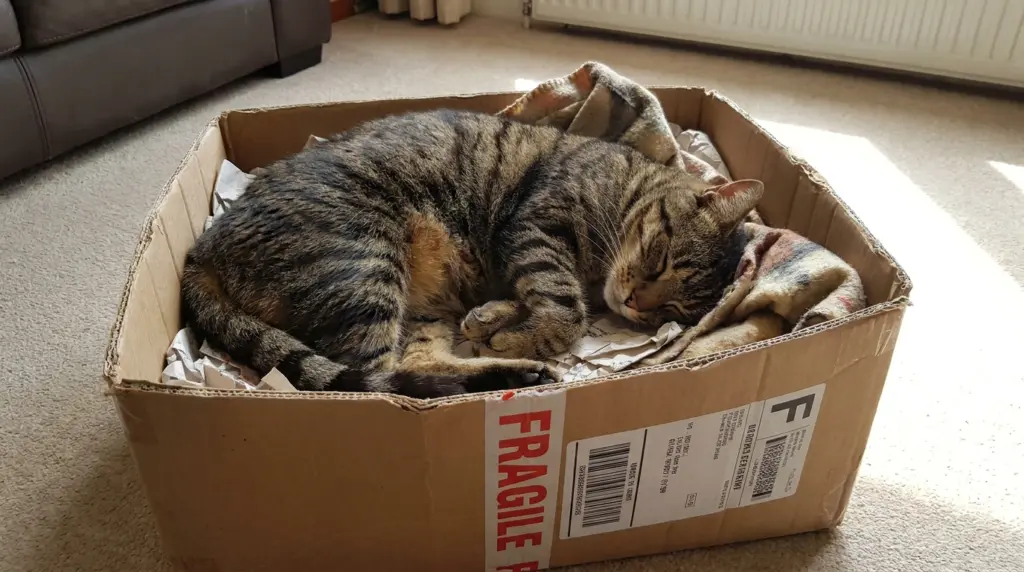
What do cat sleeping positions mean?
The way a cat sleeps can tell you a lot about how it feels:
- Curled into a ball: keeps warm and protects the belly. Common on cold days.
- The loaf: paws tucked underneath the body. The cat is relaxed but ready to move quickly.
- Belly up: showing the belly is a sign of deep trust, because it is the most vulnerable part of the body.
- Side sleeping: a cat lying on its side is comfortable and relaxed.
- Paw over face: may block out light, keep the nose warm or simply be very cute.
- Sleeping on you: your cat sees you as warm, safe and part of its family.
Should you wake a sleeping cat?
In most cases, it is best to let a sleeping cat lie. Cats need their rest, and waking them often can make them grumpy or stressed. If you want more playtime with your cat, try to play when it naturally wakes up, especially in the early evening. Playing before bedtime can also help your cat sleep more at night and wake you up less in the morning.
When too much sleep is a warning sign
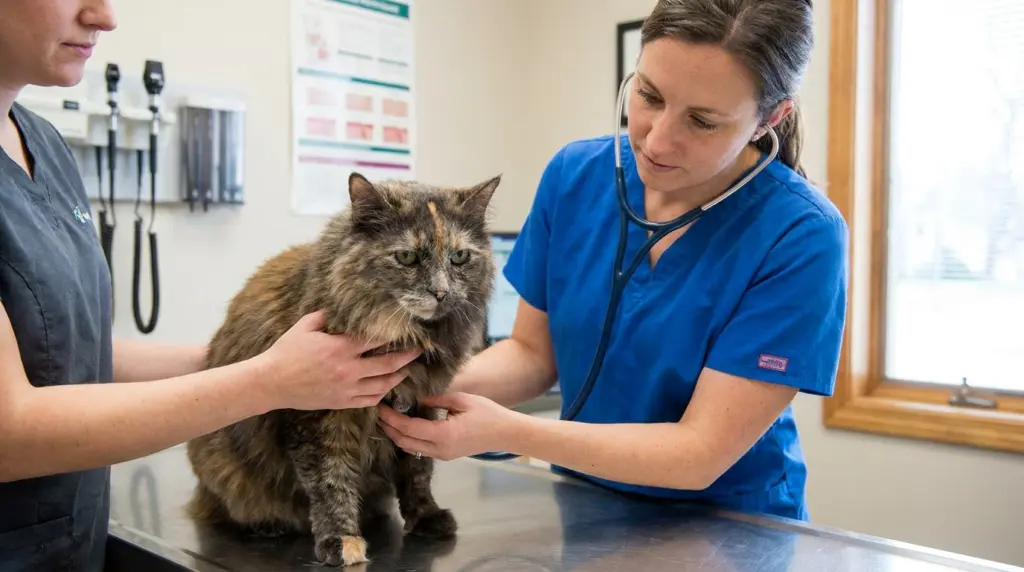
Because cats sleep so much anyway, it can be hard to spot when something is wrong. The key is to look for changes. Contact your vet if your cat:
- Suddenly sleeps much more or much less than usual
- Is hard to wake or seems confused when awake
- Hides away and avoids people or other pets
- Stops eating or drinking, or drinks much more than usual
- Loses weight, vomits or has diarrhea
- Has trouble jumping, climbing or using the litter box
Health problems such as infections, arthritis, kidney disease, diabetes, thyroid problems and pain can all change a cat’s sleep patterns. Older cats should have regular checkups so problems can be spotted early.
How to help your cat sleep well
- Give your cat a few warm, quiet and safe places to sleep, including somewhere high.
- Keep a regular routine for meals and play.
- Play actively with your cat for 10 to 15 minutes, once or twice a day.
- Feed a meal after evening play to mimic the hunt, eat, sleep cycle.
- Keep litter boxes, food and water away from sleeping areas.
Why do cats sleep so much? Final thoughts
So, why do cats sleep so much? Cats are natural hunters that save energy between short bursts of action, and their bodies are tuned to be most active at dawn and dusk. Much of their sleep is light dozing, and kittens and seniors need even more rest.
In most cases, a cat that sleeps for most of the day is healthy and happy. Just keep an eye out for sudden changes in sleep, appetite or behavior, and give your cat plenty of play when it is awake. Then you can enjoy all those adorable cat naps without worrying.
If you enjoyed reading about cat behavior, you might also love our stories about why cats purr and why cats knead.
Please note: This article is for general information only and is not a substitute for professional veterinary advice. If you are worried about your pet’s health or behavior, please contact your vet.
Frequently asked questions
How many hours a day do cats sleep?
Most adult cats sleep around 12 to 16 hours a day, and kittens and older cats can sleep up to 20 hours.
Is it normal for my cat to sleep all day?
Yes, sleeping most of the day is normal for cats. Watch instead for sudden changes in sleep, appetite or behavior.
Why are cats active at night?
Cats are crepuscular, so they are naturally most active at dawn and dusk, which can make them lively at night and early morning.
Do cats dream?
Many scientists believe cats dream during deep REM sleep, when their whiskers, paws and tails often twitch.
When should I worry about my cat sleeping too much?
See a vet if your cat suddenly sleeps much more, is hard to wake, hides, stops eating or shows other changes in behavior.
Save this for later

You might also like
Want more? Browse all our Animals stories.