
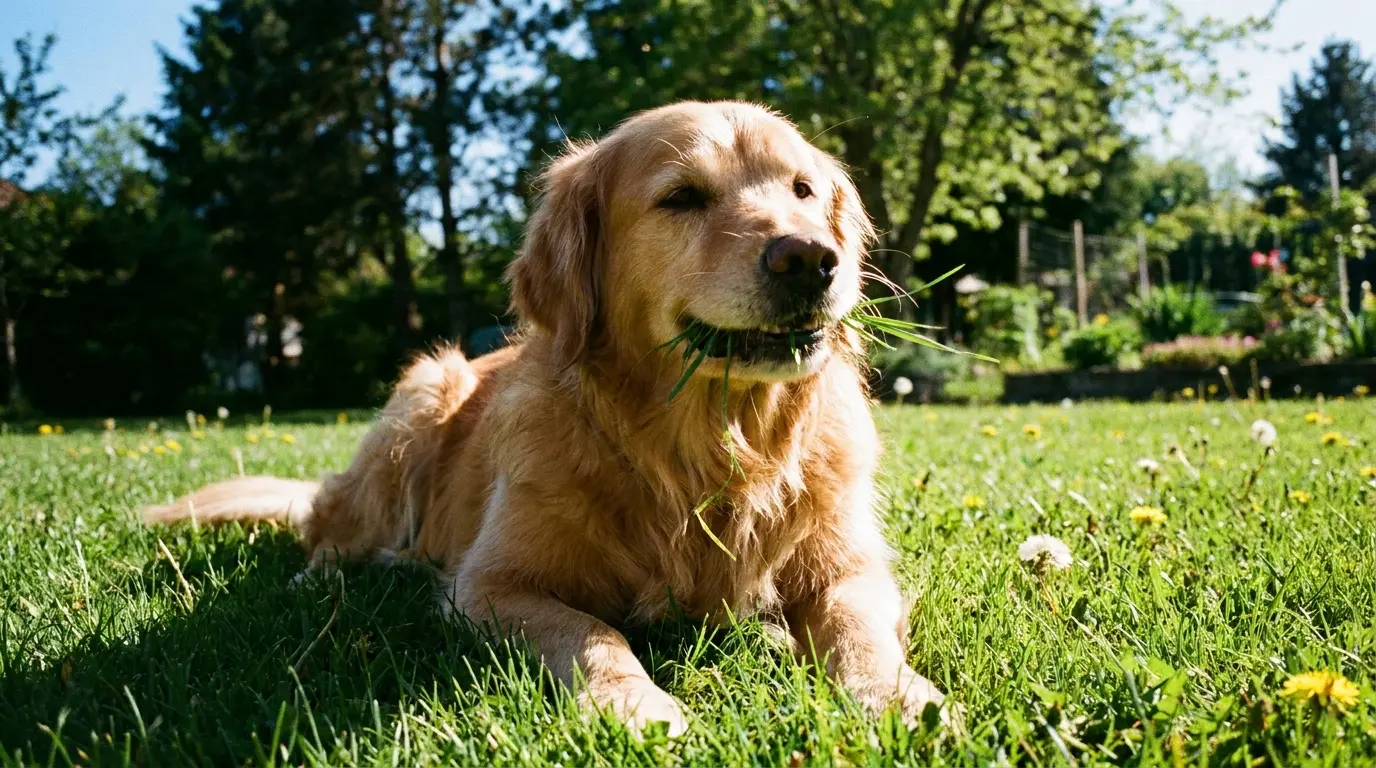
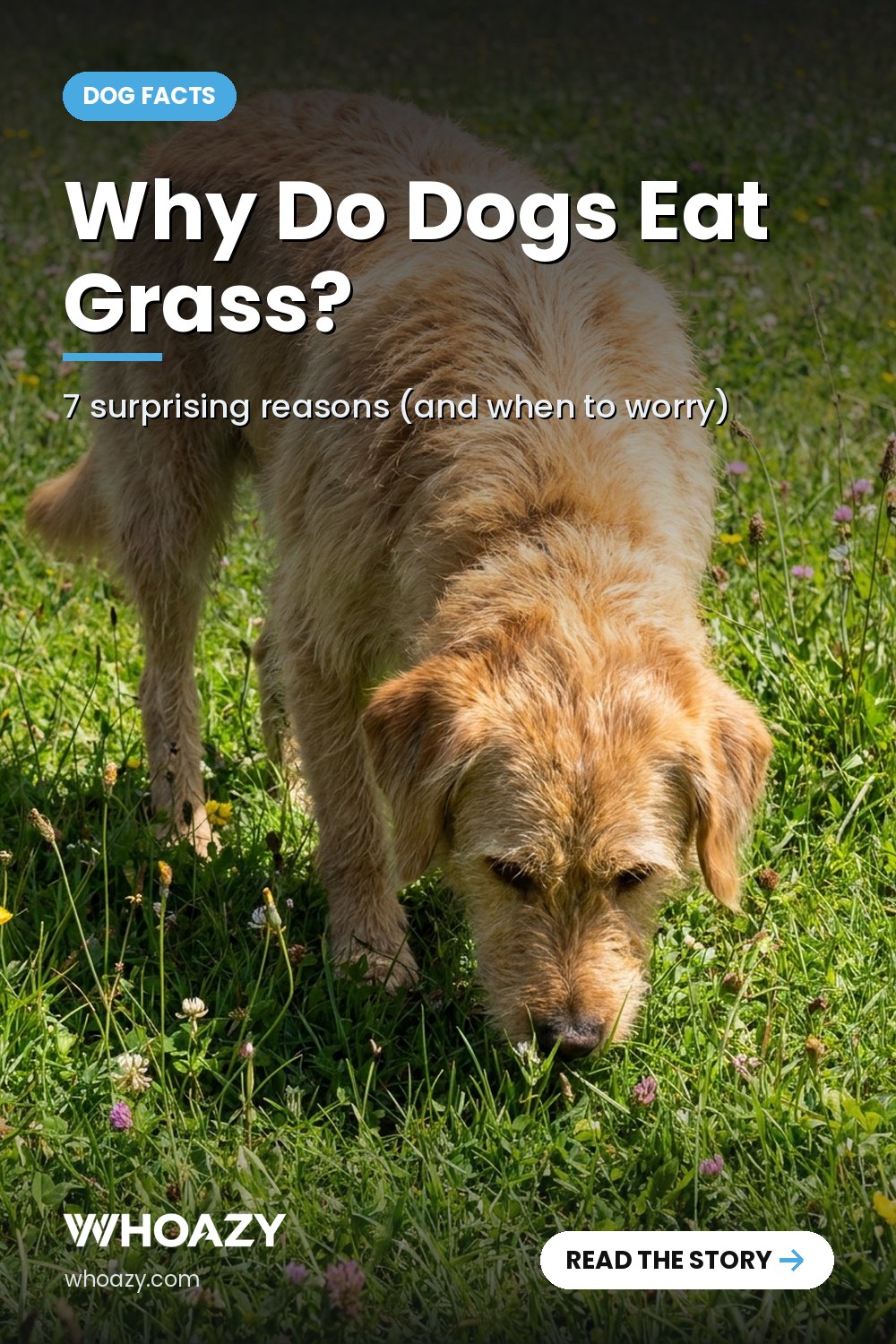
You take your dog outside for a quick walk, look away for a second, and suddenly your dog is chewing on a mouthful of grass like a little cow. Some dogs nibble a few blades, while others graze happily for minutes. It can look strange, and many owners worry that something is wrong. So why do dogs eat grass?
The good news is that eating grass is extremely common, and in most cases it is completely normal. Vets see it every day, and scientists have even studied it. The reasons range from simple taste and boredom to ancient instincts inherited from wolves. In this guide, we explain the most likely reasons, what the research says, and the signs that mean it is time to see a vet.
Is it normal for dogs to eat grass?
Yes. Grass eating is one of the most common behaviors seen in pet dogs. Vets even have a name for eating things that are not food: pica. But when it comes to grass, most experts do not treat it as a problem. It is so widespread that it is considered a normal part of dog behavior.
A well-known study from the University of California, Davis, surveyed owners of dogs that regularly ate plants. Grass was by far the most commonly eaten plant. The study found that only a small number of dogs, about 8%, often looked sick before eating grass, and only around 22% regularly vomited afterwards. In other words, most dogs that eat grass are not ill and do not throw up.
Why do dogs eat grass? 7 likely reasons
There is no single answer that fits every dog. Here are the seven most common explanations vets and researchers give.
1. They simply like the taste
Many dogs seem to enjoy grass, especially fresh spring grass that is soft, juicy and slightly sweet. Some dogs are picky and will search for one particular type of grass while ignoring others. For these dogs, grass is a snack, not a medicine.
2. An ancient instinct from wolves
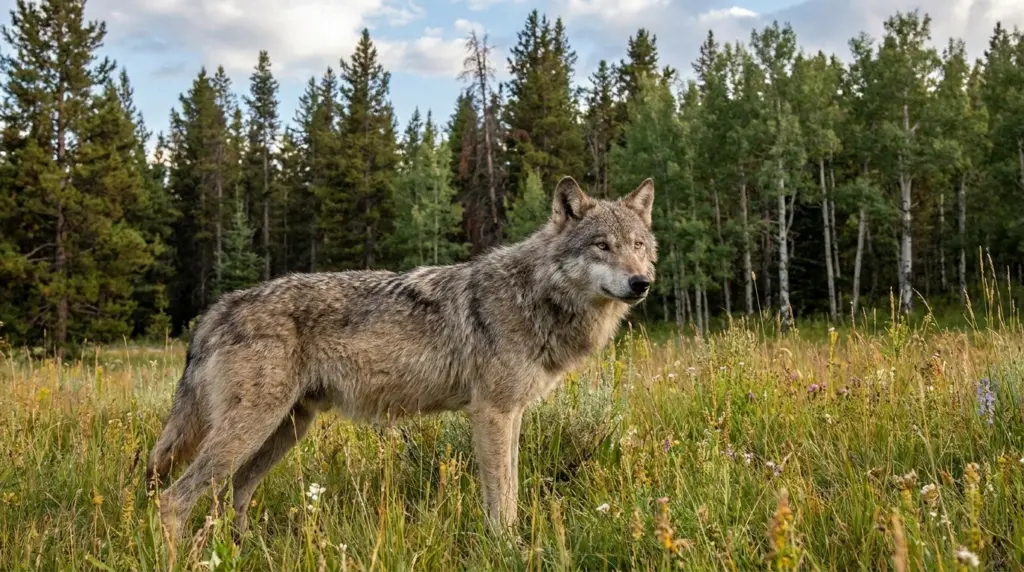
Wild relatives of dogs, such as wolves, also eat grass and plants. Scientists studying wolf droppings have often found grass in them. One theory is that eating plant material helped wild canines push intestinal worms out of their digestive system. The grass fibers wrap around parasites and help move them along the gut.
Modern pet dogs are usually dewormed, but the instinct may still be there. This could explain why so many healthy dogs eat grass even when nothing is wrong.
3. Boredom
Dogs that do not get enough exercise or mental activity often look for something to do. Chewing grass is easy, always available and a little entertaining. If your dog eats grass mostly when left alone in the garden, boredom may be the reason.
More walks, puzzle feeders, chew toys and short training games can make a big difference.
4. Looking for extra fiber
Grass is full of fiber. Some vets believe that dogs whose diet is low in fiber may eat grass to help their digestion. There are reports of dogs that stopped eating grass after switching to a higher-fiber food. This does not apply to every dog, but it is one reason vets sometimes look at a dog’s diet when grass eating becomes frequent.
5. An upset stomach
This is the explanation most owners have heard. The idea is that a dog with an upset stomach eats grass to make itself vomit and feel better. It may be true for some dogs, but research suggests it is not the main reason. Most dogs do not appear unwell before eating grass, and most do not vomit after it.
If your dog eats grass urgently, gulps it down quickly and then vomits, an upset stomach may be involved. If it happens often, talk to your vet.
6. Anxiety or stress
Some dogs chew grass the same way some people bite their nails. It can be a self-soothing habit for anxious dogs, especially those that are left alone for long periods or live in a stressful home. Other signs of anxiety include pacing, excessive licking, barking and destructive chewing.
7. Puppies are exploring
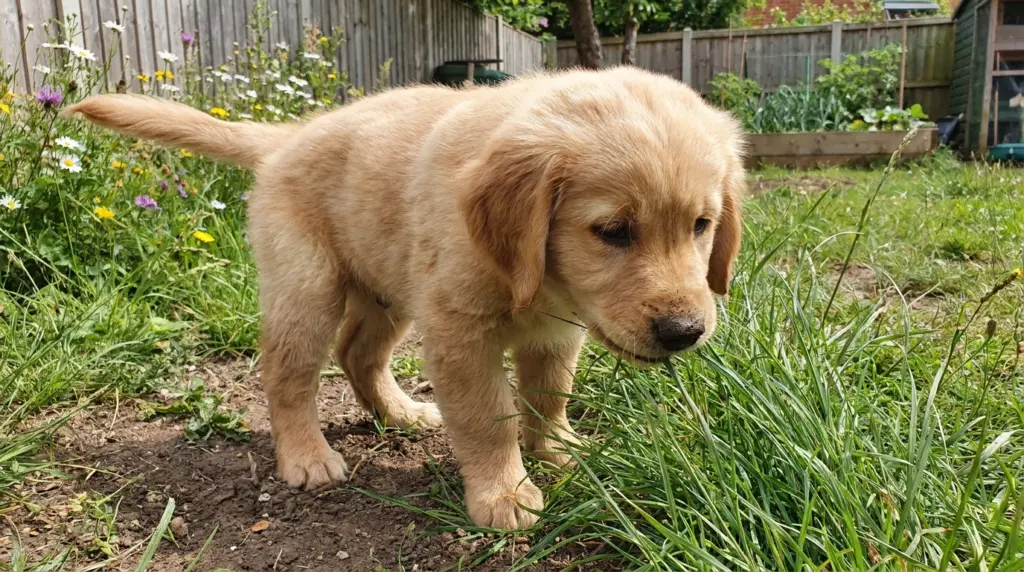
Puppies explore the world with their mouths. They taste, chew and test almost everything, from shoes to sticks to grass. The UC Davis study also found that younger dogs ate plants more often than older dogs. For many puppies, eating grass is simply curiosity.
Is eating grass bad for dogs?
Grass itself is usually harmless in small amounts. The real danger is what might be on the grass or growing near it. Watch out for:
- Pesticides and fertilizers. Chemicals sprayed on lawns, parks and roadsides can be toxic to dogs.
- Toxic plants. Some garden plants, such as sago palms, azaleas, foxglove and certain bulbs, are poisonous to dogs.
- Parasites. Grass contaminated with other animals’ droppings can carry worm eggs.
- Sharp grass seeds. Some grass seeds, often called grass awns, can get stuck in a dog’s throat, nose, ears or paws.
If you are not sure whether an area has been treated with chemicals, it is safest to keep your dog off the grass there.
When should you worry about a dog eating grass?
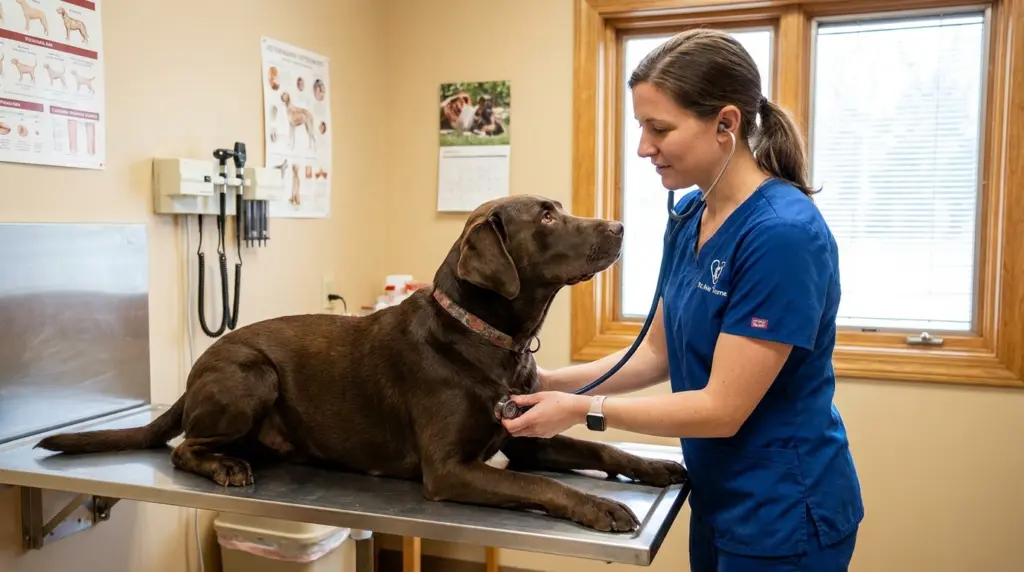
Occasional grass eating in a happy, healthy dog is nothing to worry about. But you should contact your vet if you notice any of these signs:
- Vomiting several times, or vomiting most times after eating grass
- Eating grass frantically or suddenly much more than usual
- Diarrhea, blood in vomit or stool, or black, tarry stool
- Loss of appetite, weight loss or tiredness
- Signs of pain, such as a hunched back or restlessness
- Coughing, gagging or sneezing after eating grass, which could mean a stuck grass seed
A sudden change in behavior is always worth checking. Your vet can rule out problems such as stomach upset, parasites or diet issues.
How to stop your dog from eating grass
If your dog’s grass eating is harmless, you do not need to stop it. But if your dog eats too much, or you worry about chemicals, try these simple tips:
- Give more exercise and play. A tired dog is less likely to look for something to chew.
- Use toys and chews. Long-lasting chews and puzzle toys keep the mouth busy.
- Train a “leave it” command. Reward your dog with a treat when it stops sniffing grass and looks at you.
- Check the diet. Ask your vet whether a food with more fiber, or adding cooked vegetables like green beans, could help.
- Grow safe grass at home. Some owners grow a small pot of wheatgrass or oat grass as a safe, chemical-free snack.
- Stay close on walks. Keep your dog on a lead in parks and on roadsides that may be sprayed.
Do other animals eat grass too?
Dogs are not alone. Cats also nibble grass, which is why pet shops sell “cat grass.” Wolves, foxes and even some big cats have been seen eating plants. Many scientists think plant eating is a normal part of how meat-eating animals look after their digestion.
Why do dogs eat grass? Final thoughts
So, why do dogs eat grass? In most cases, it is simply normal dog behavior. Your dog may like the taste, be bored, want more fiber, or be following an old instinct inherited from wolves. Only a minority of dogs eat grass because they feel sick, and most do not vomit afterwards.
Keep your dog away from treated lawns and toxic plants, make sure it gets enough exercise and attention, and watch for warning signs like frequent vomiting or a sudden change in behavior. If you spot anything worrying, your vet is always the best person to ask.
If you enjoyed reading about dog behavior, you might also love our stories about why dogs tilt their heads and the true story of Balto the sled dog.
Please note: This article is for general information only and is not a substitute for professional veterinary advice. If you are worried about your pet’s health or behavior, please contact your vet.
Frequently asked questions
Why do dogs eat grass and then throw up?
Some dogs eat grass when their stomach feels upset and then vomit, but research suggests most dogs that eat grass do not vomit afterwards.
Should I stop my dog from eating grass?
Not usually. Occasional grass eating is normal. Stop it if the grass may be treated with chemicals, or if your dog vomits often or eats grass frantically.
Why do puppies eat grass?
Puppies explore the world with their mouths, and research shows younger dogs eat plants more often than older dogs.
Can eating grass make a dog sick?
Grass itself is usually harmless, but pesticides, fertilizers, toxic plants, parasites and sharp grass seeds can make a dog sick.
Why does my dog suddenly eat lots of grass?
A sudden increase can be linked to stomach upset, diet changes, stress or boredom. If it continues or comes with vomiting or diarrhea, see your vet.
Watch a story or save this one
Tap the story for another quick fact, or pin this article to read again later.

You might also like
Want more? Browse all our Animals stories.