Why Do Flamingos Stand on One Leg? Scientists Finally Have Answers
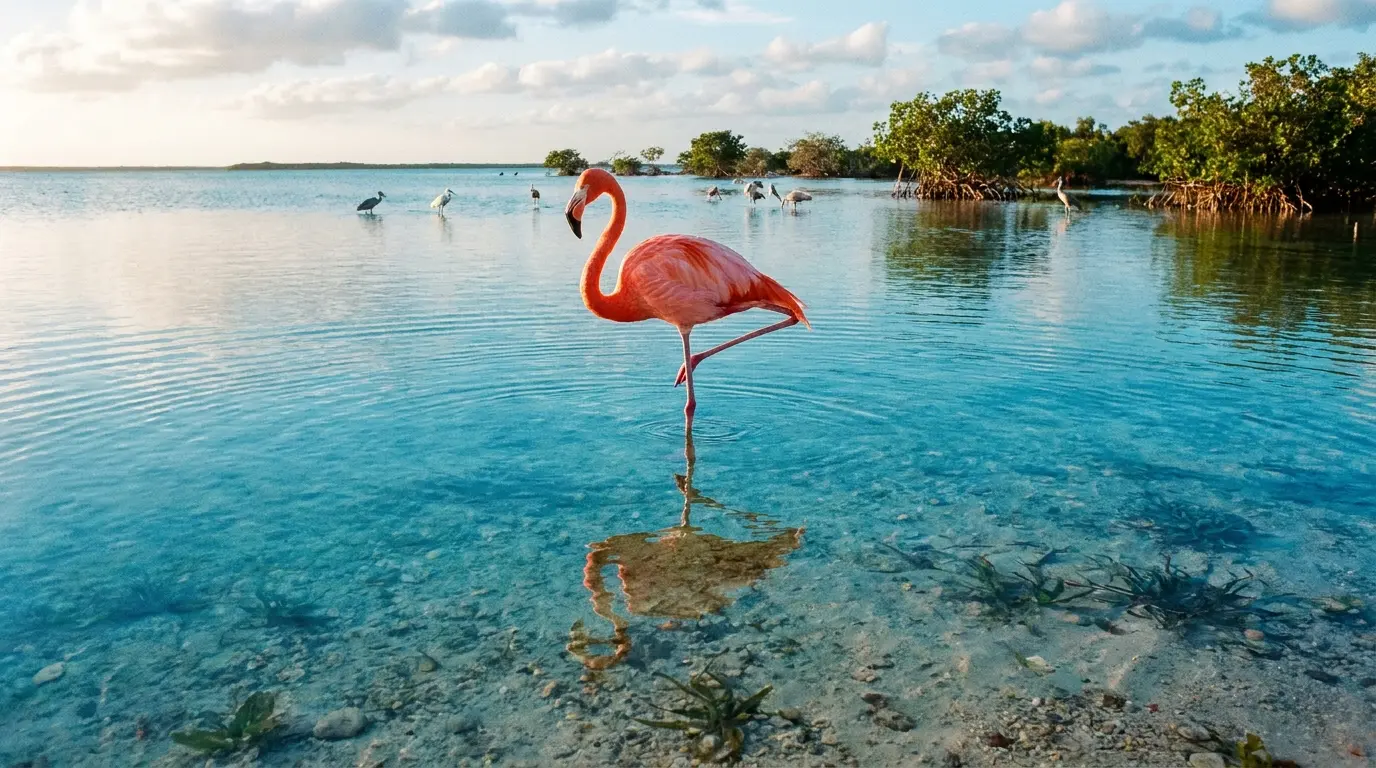
Why do flamingos stand on one leg? It looks tiring, but science shows it may actually be the easiest way for them to rest. Here are the answers, plus amazing flamingo facts.
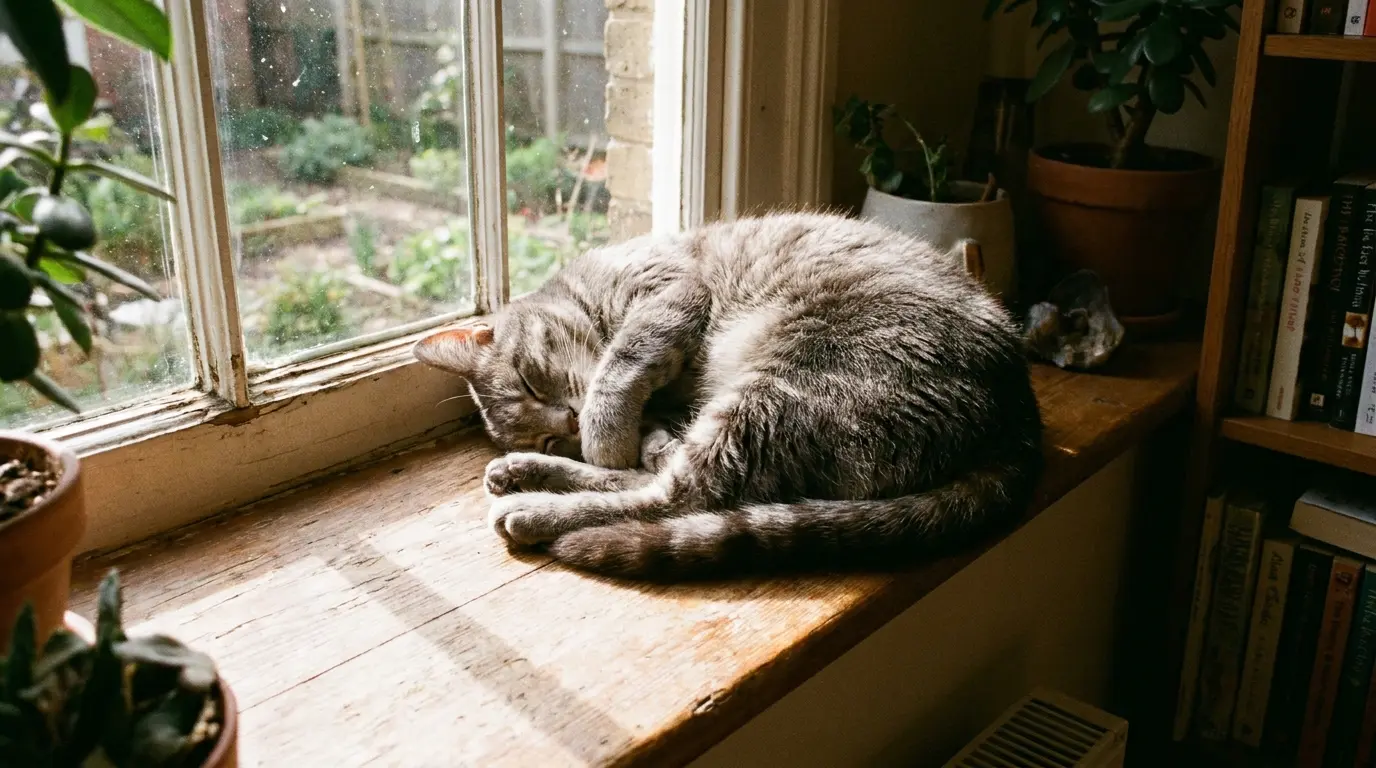

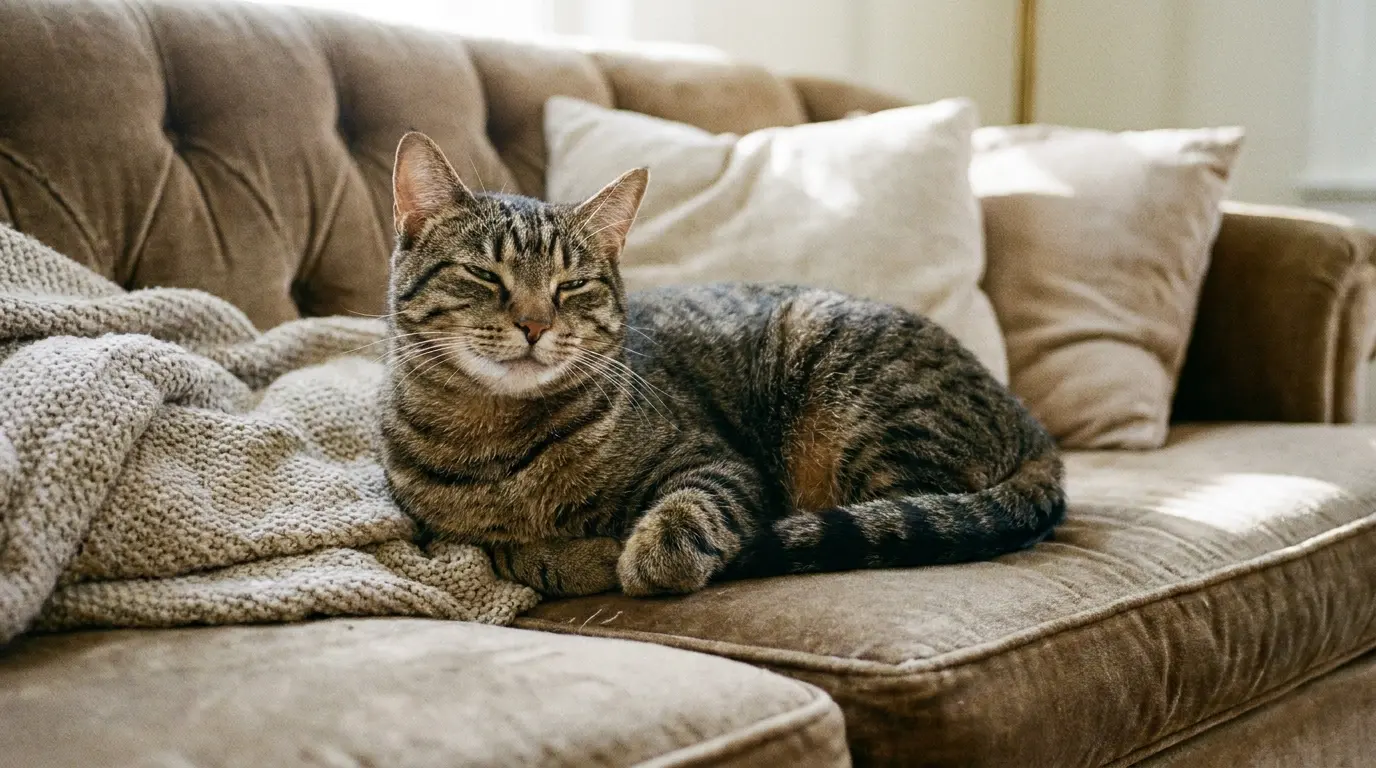
Why do cats sleep so much? Most cats sleep 12 to 16 hours a day, and there are good reasons for it. Learn why cats nap so often and when too much sleep is a warning sign.
Why do dogs lick you? Dog kisses can mean love, hunger, stress or simply that you taste salty. Here are 8 reasons dogs lick people and when licking becomes a problem.
Why do cats purr? Purring is not just a sign of happiness. Discover how cats make the sound, why they purr when stressed, and the clever purr they use on humans.
Why do dogs eat grass? Most of the time it is normal, but there are a few surprising reasons behind it. Here is what science says and when you should call the vet.
In 1872, the Mary Celeste was found drifting in the Atlantic with no one on board. Explore the Mary Celeste mystery and the best theories about what happened to its crew.
Why do we get goosebumps when we are cold, scared or moved by music? Discover the surprising science behind goosebumps and what they did for our hairy ancestors.
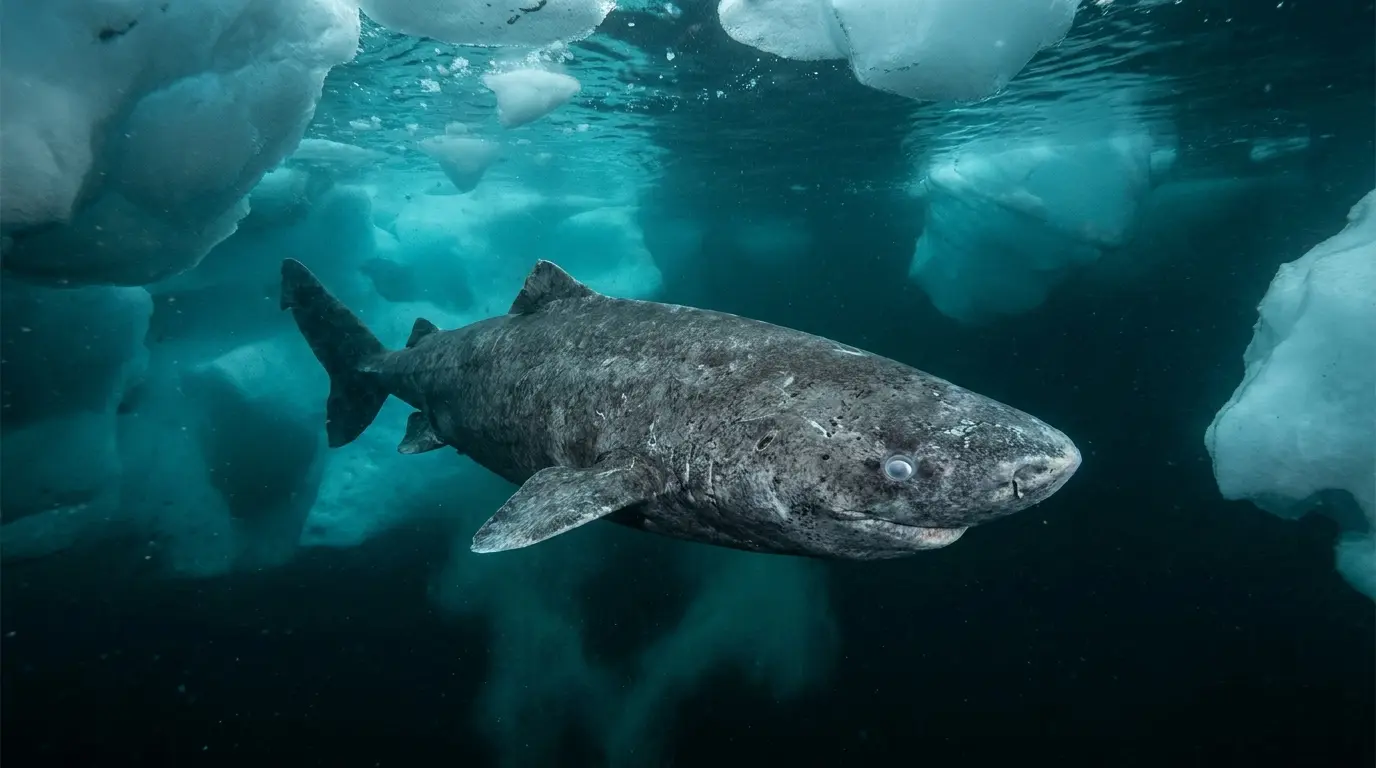
Meet the longest living animals on Earth, from a 500-year-old clam to sharks born before the USA existed and a jellyfish that can turn back time.
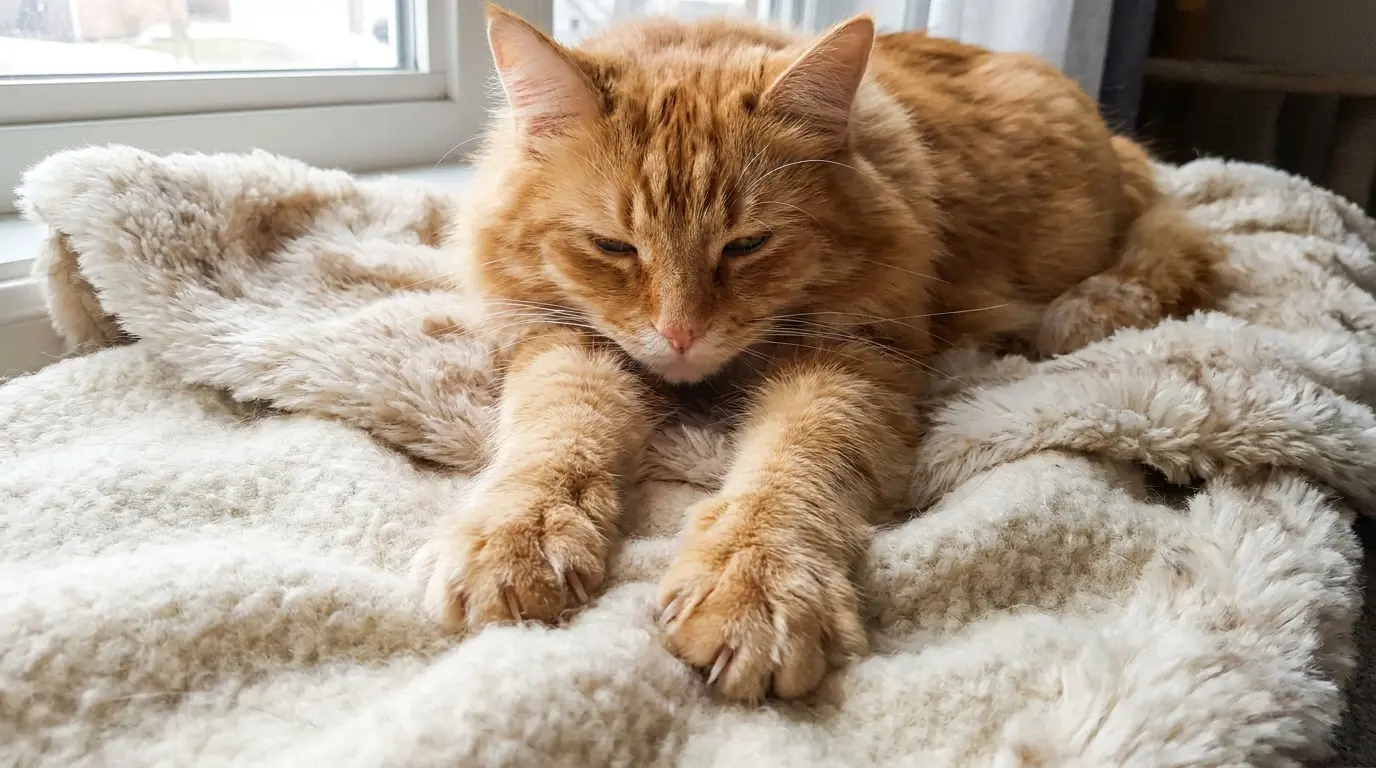
Why do cats knead blankets, pillows and even you? From kitten instincts to scent marking, here are 6 reasons behind cat kneading and what it means for you.
Why do dogs tilt their heads when you talk to them? Science has a few surprising answers, from better hearing to recognizing words. Here are 5 reasons behind the dog head tilt.