
Nature has a way of putting on shows that look like special effects. Rocks slide across the desert on their own. A waterfall runs blood red. Clouds glow in rainbow colors, and in one corner of the world, lightning flashes almost every night.
These rare natural phenomena can seem mysterious, but each one has a scientific explanation that is just as fascinating as the sight itself. Here are 10 of the strangest and most beautiful.
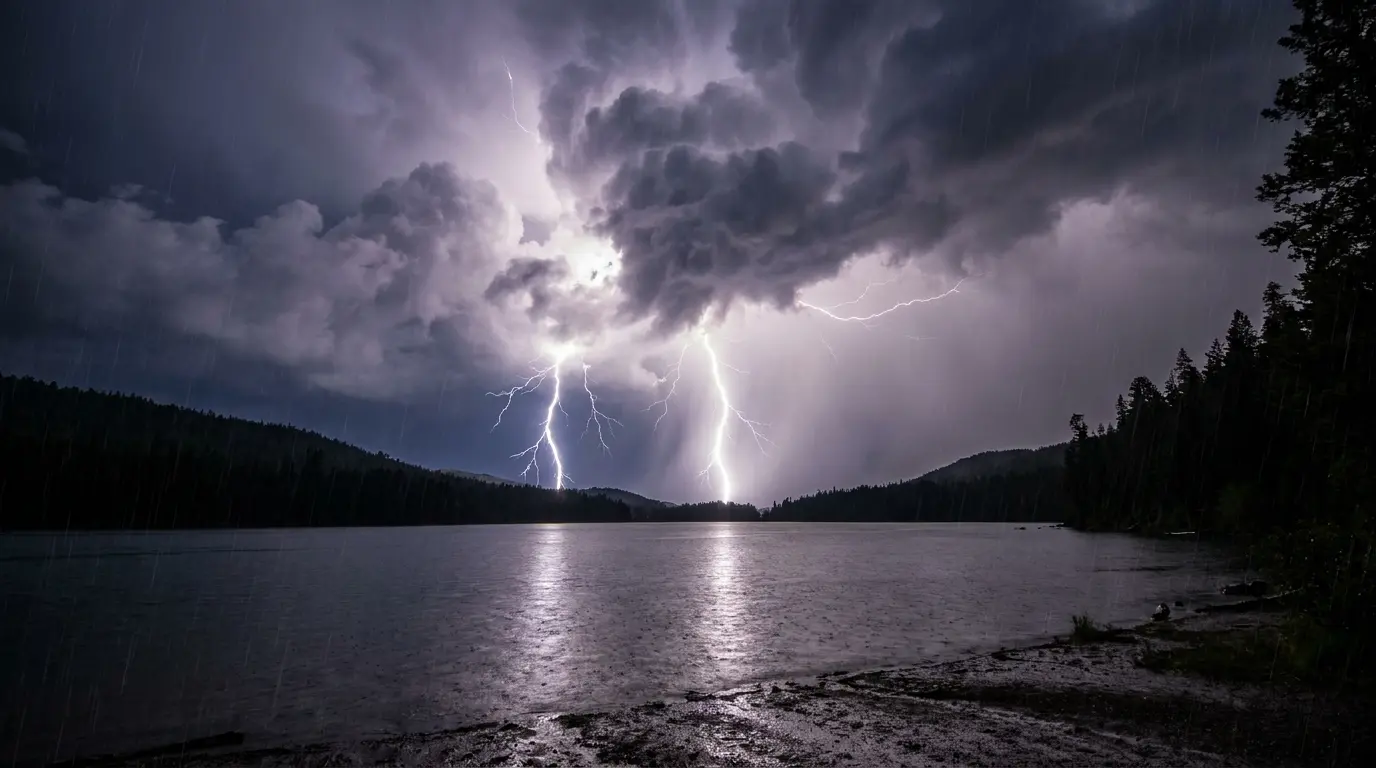
1. Catatumbo lightning, Venezuela
Where the Catatumbo River flows into Lake Maracaibo in Venezuela, thunderstorms light up the sky on most nights of the year, often for hours at a time. Sailors once used the flashes to navigate, and locals call it the “Beacon of Maracaibo.”
The storms form when warm, moist air from the lake meets cool winds coming down from the surrounding mountains. In 2016, NASA-supported research named Lake Maracaibo the lightning capital of the world, with more lightning flashes per square kilometer than anywhere else on Earth.
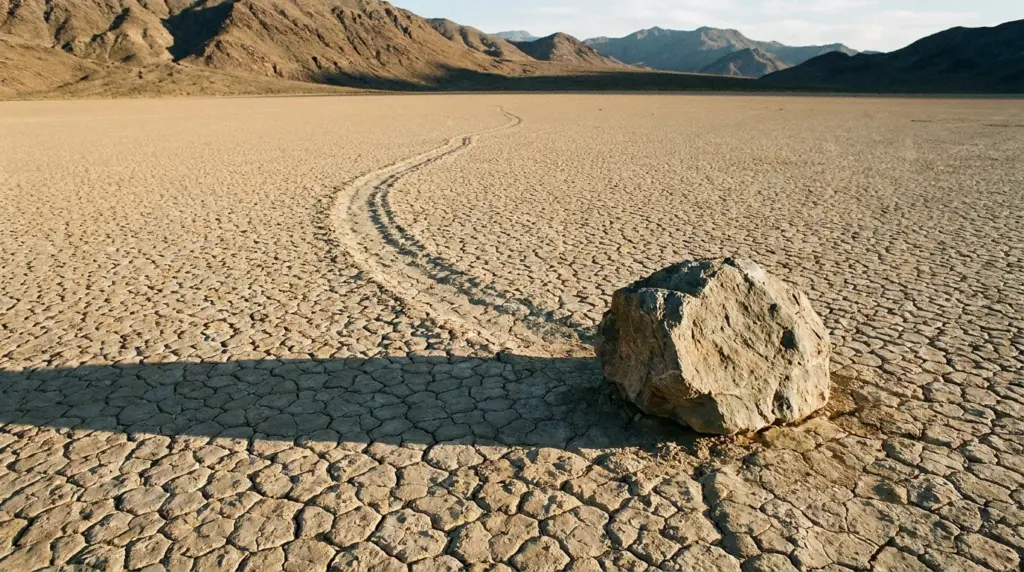
2. The sailing stones of Death Valley
On a dry lakebed called Racetrack Playa in California’s Death Valley National Park, heavy rocks leave long trails behind them, as if they had been dragged across the ground. For decades, nobody had seen them move, and people suggested everything from strong winds to magnetic forces.
In 2014, scientists finally caught them in the act using GPS trackers and cameras. On rare winter days, a thin layer of rain water on the playa freezes into thin sheets of ice. When the ice starts to melt and break up, light winds push the ice panels, which push the rocks slowly across the slippery mud.
3. Fire rainbows
Fire rainbows are among the most beautiful natural phenomena in the sky, but they are not really rainbows and have nothing to do with fire. Their scientific name is the circumhorizontal arc. They appear as bands of rainbow colors in high, thin clouds, and can look like the sky is glowing.
They only form when the sun is very high in the sky, more than 58 degrees above the horizon, and its light passes through flat, plate-shaped ice crystals in cirrus clouds. That is why they are usually seen around midday in summer and are much rarer far from the equator.
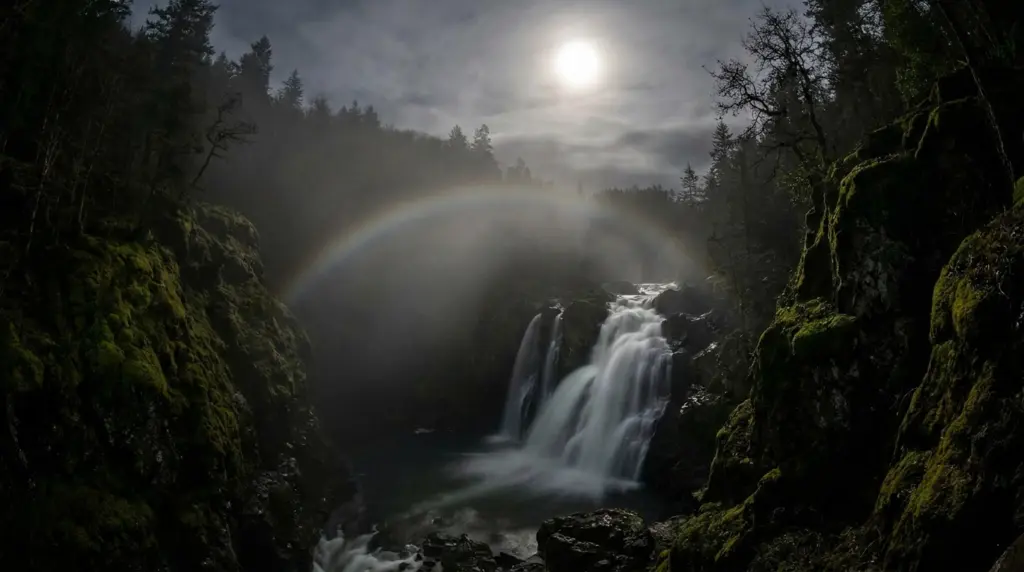
4. Moonbows
A moonbow, or lunar rainbow, is a rainbow made by moonlight instead of sunlight. Because moonlight is much weaker, moonbows are faint and often look white to the human eye, although long-exposure photos reveal their colors.
They are most likely to appear around a full moon, when the moon is low in the sky and there is mist or spray in the air. Waterfalls such as Victoria Falls in Africa and Cumberland Falls in Kentucky are famous places to see them.
5. Morning Glory clouds, Australia
Near the small town of Burketown in Queensland, Australia, huge tube-shaped clouds sometimes roll across the sky in the early morning. These Morning Glory clouds can stretch for hundreds of kilometers and travel in long lines, one after another.
They appear most often between September and November, when sea breezes from the Gulf of Carpentaria collide overnight. Glider pilots travel from around the world to “surf” the rising air at the front of the clouds.
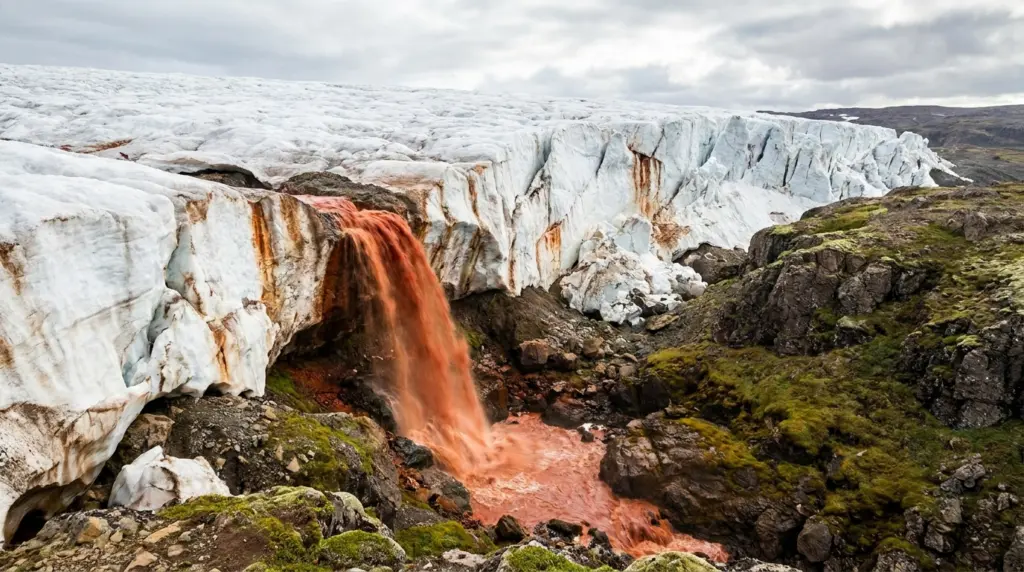
6. Blood Falls, Antarctica
At the end of Taylor Glacier in Antarctica, a stream of blood-red water pours out onto the ice. It was discovered in 1911 by geologist Griffith Taylor, who first guessed that red algae caused the color.
The real reason is iron. The water comes from an ancient, very salty pool trapped beneath the glacier. It is rich in iron, and when it reaches the air, the iron reacts with oxygen and turns rusty red, much like a nail left out in the rain.
7. Brinicles, the “icicles of death”
Under the sea ice near the North and South Poles, a strange tube of ice can grow downward toward the seabed. These rare natural phenomena are called brinicles. They form when very cold, extra salty water sinks from the sea ice and freezes the seawater around it.
When a brinicle reaches the seabed, it can spread out and freeze small creatures such as starfish and sea urchins in its path. The process was famously filmed for the first time for the BBC series Frozen Planet in 2011.
8. Light pillars
On very cold winter nights, a rare sight sometimes appears: tall columns of light sometimes rise into the sky above towns and cities. These light pillars look like beams from a science fiction movie.
They happen when flat ice crystals float near the ground in freezing air. The crystals act like millions of tiny mirrors, reflecting light from streetlights, buildings or the sun into tall vertical beams.
9. Ball lightning
Ball lightning is one of the most mysterious natural phenomena on Earth. People have reported glowing balls of light, usually during thunderstorms, that float through the air for a few seconds before vanishing or popping.
Because it is so rare and unpredictable, it is very hard to study. In 2012, scientists in China happened to record the light from a natural ball lightning event, but there is still no single accepted explanation for how it forms.
10. Penitentes, the Andes
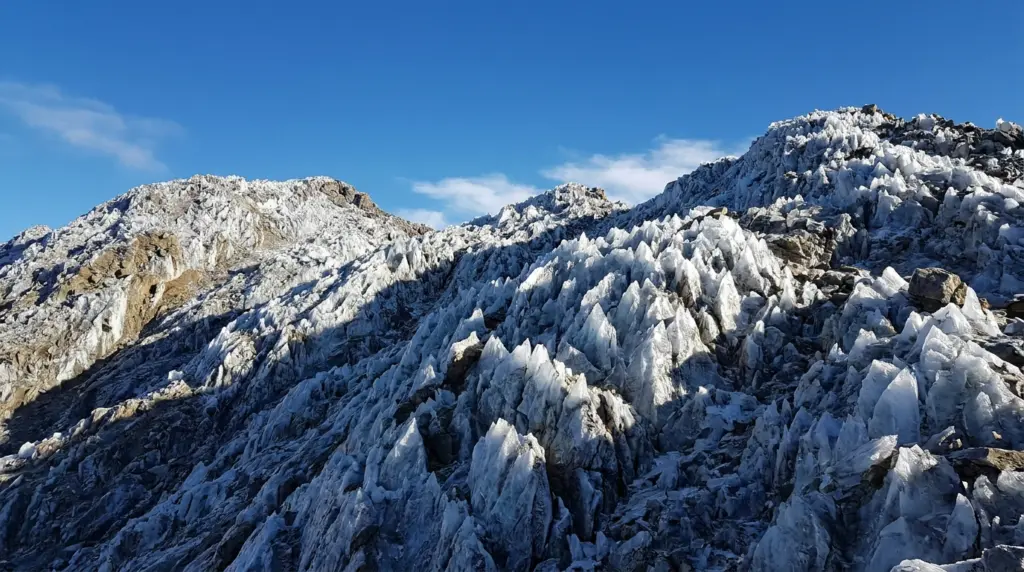
High in the Andes mountains, above about 4,000 meters, fields of snow and ice can form tall, thin spikes that look like rows of frozen blades. These are called penitentes, because they reminded people of crowds of kneeling penitents in white robes.
These rare natural phenomena form in very dry, cold and sunny conditions, when sunlight turns ice directly into water vapor. Charles Darwin described penitentes during his travels in 1835, and some can grow taller than a person.
How to see rare natural phenomena
- Check the season. Many of these events only happen at certain times of year.
- Watch the weather. Light pillars, fire rainbows and moonbows depend on exact conditions.
- Join a guided tour. Places like Lake Maracaibo, Antarctica and the high Andes are best visited with experts.
- Bring a camera with manual settings. Long exposures can reveal colors your eyes might miss.
Rare natural phenomena are a reminder that our planet still has the power to surprise us. Science can explain them, but that does not make them any less magical.
If you enjoyed reading about these rare natural phenomena, you might also love our stories about the most beautiful waterfalls in the world and bioluminescent beaches.
Frequently asked questions
What is the rarest natural phenomenon?
Ball lightning is one of the rarest and least understood. It appears as a glowing ball of light, usually during storms, and lasts only seconds.
How do the sailing stones of Death Valley move?
In 2014, scientists found that thin sheets of ice form on Racetrack Playa in winter. As the ice breaks up, light winds push it, and it slowly moves the rocks.
Why is Blood Falls red?
The water comes from a salty, iron-rich pool beneath Taylor Glacier. When it meets the air, the iron oxidizes and turns red like rust.
Where is the lightning capital of the world?
Lake Maracaibo in Venezuela, where the Catatumbo lightning lights up the sky on most nights of the year.
Save this for later

You might also like
Want more? Browse all our Nature stories.