
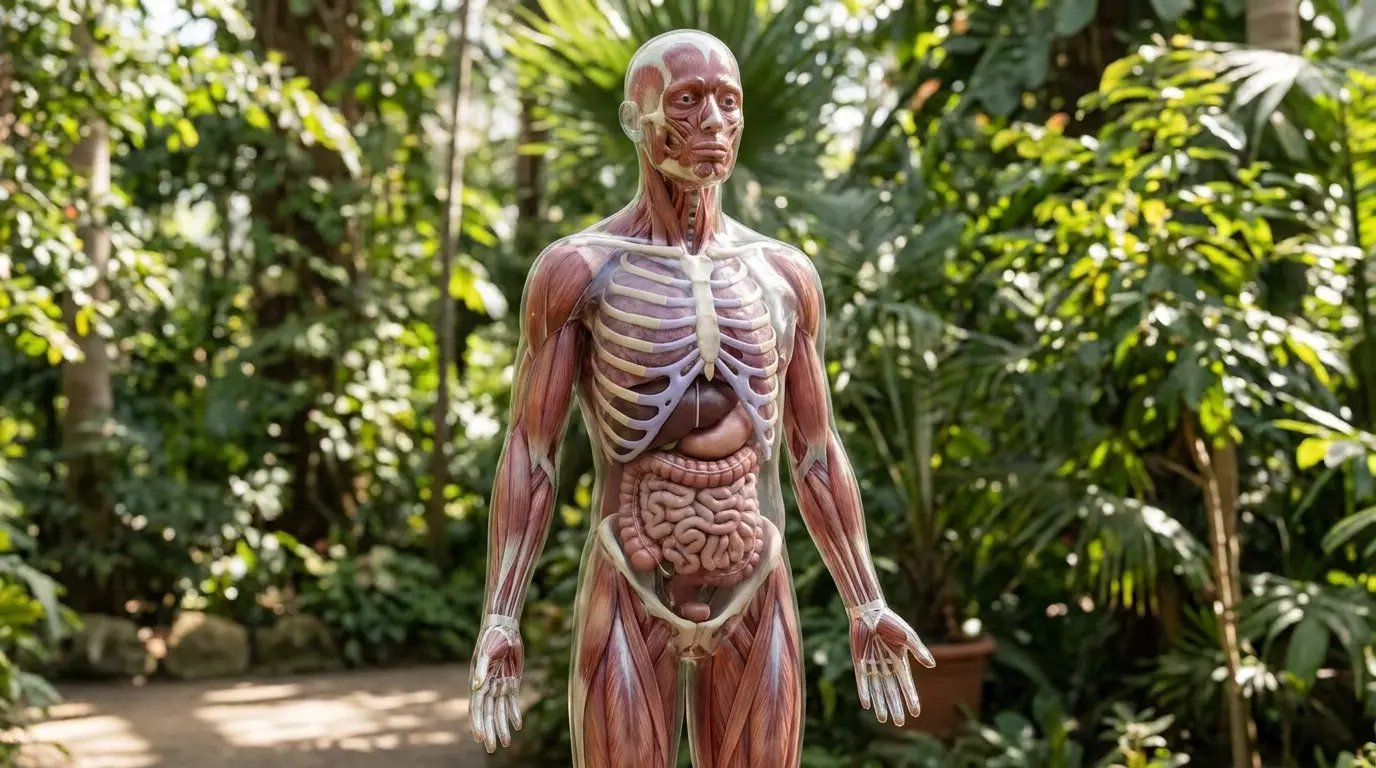
You live inside your body every day, but it is still full of surprises. It grows new parts, glows faintly in the dark and even changes height between morning and night. Some of these weird facts about the human body sound like they belong in a science fiction movie, but they are all backed by science.
Here are 15 strange and fascinating human body facts that will make you see yourself in a whole new way.
1. Babies have more bones than adults
A newborn baby has around 270 to 300 bones, while an adult has 206. That is not because bones disappear. As children grow, many small bones, especially in the skull and spine, slowly fuse together into bigger ones.
2. The smallest bone is inside your ear
The stapes, one of three tiny bones in your middle ear, is the smallest bone in the human body. It is only about 3 millimeters long, roughly the size of a grain of rice. Together, these tiny bones pass sound vibrations to your inner ear so you can hear.
3. You are taller in the morning
Most people are about 1 centimeter taller when they wake up than when they go to bed. During the day, gravity squeezes the soft discs between the bones of your spine. When you lie down to sleep, the discs relax and expand again.

4. Your stomach makes a new lining every few days
Your stomach contains acid strong enough to help break down food, so it needs protection. It makes a thick layer of mucus, and the cells lining the stomach are replaced every few days. Without this constant renewal, your stomach could start to damage itself.
5. You shed tens of thousands of skin cells every minute
According to dermatologists, people shed about 30,000 to 40,000 dead skin cells every minute. Your skin is constantly renewing itself, and a lot of the dust in your home is made partly of old skin cells.
6. Your heart beats about 100,000 times a day
An average adult heart beats around 100,000 times every day, pumping blood through a network of blood vessels that would stretch tens of thousands of kilometers if laid end to end. Over a lifetime, that adds up to billions of heartbeats.
7. Your small intestine is about 6 meters long
Your small intestine is folded neatly inside your belly, but if you stretched it out, it would be roughly 6 meters, or about 20 feet, long. Its inner surface is covered in tiny finger-like bumps that greatly increase the area for absorbing nutrients.
8. Part of your eye gets oxygen from the air
The cornea, the clear front layer of your eye, has no blood vessels. That keeps it clear so you can see. Instead, it gets much of its oxygen directly from the air and from the fluid in your eye.
9. Your body makes millions of red blood cells every second
Red blood cells carry oxygen around your body and live for about 120 days. To replace them, your bone marrow produces an estimated 2 to 3 million new red blood cells every second.
10. Fingernails grow faster than toenails
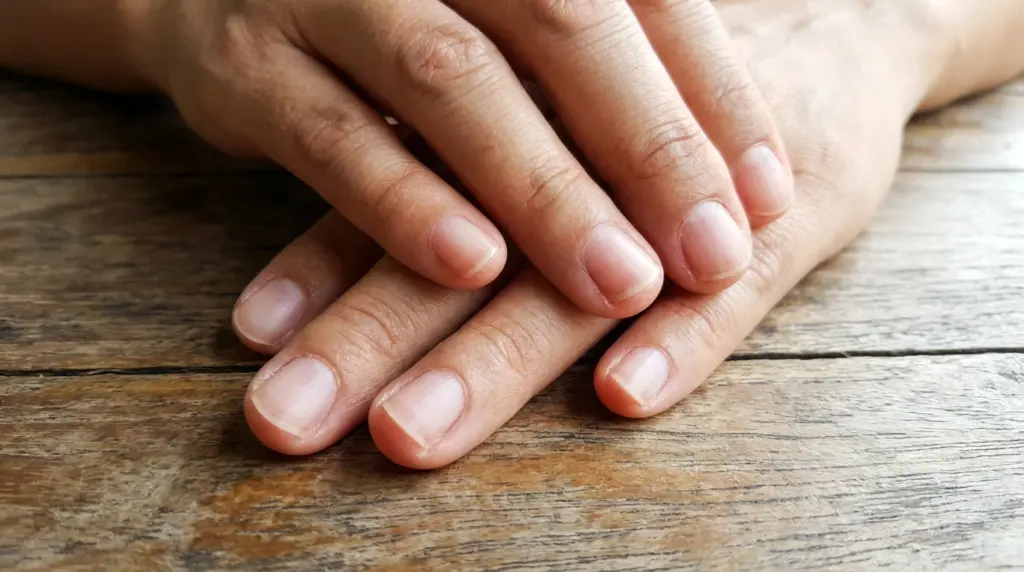
Fingernails grow about 3.5 millimeters per month, while toenails grow much more slowly. Nails on your dominant hand often grow a little faster too, and nails tend to grow faster in summer.
11. Goosebumps are a leftover from our furry ancestors
When you are cold or scared, tiny muscles pull your hairs upright, causing goosebumps. In furry animals, this makes the fur puff up, trapping warm air or making the animal look bigger. In humans, with much less body hair, it is mostly a leftover reflex.
12. Your liver can regrow itself
The liver is the only internal organ that can regenerate. Even if a large part of it is removed, the remaining liver can grow back to near its original size within weeks to months. This is why people can donate part of their liver to someone else.
13. Your DNA is about 2 meters long
Inside almost every cell in your body is DNA, coiled up tightly. If you could stretch out the DNA from just one cell, it would be about 2 meters long. All the DNA in your body put together would stretch much farther than the distance to the Sun and back.
14. You actually glow in the dark
In 2009, researchers in Japan used super-sensitive cameras to show that the human body gives off a tiny amount of visible light. The glow is about 1,000 times weaker than what our eyes can detect, so we never notice it.
15. You cannot tickle yourself
Try to tickle yourself and it simply does not work. Scientists believe a part of the brain called the cerebellum predicts the feeling of your own movements, so the brain cancels out the surprise that makes tickling work.
Why weird facts about the human body matter
These weird facts about the human body are more than fun trivia. They show how your body is constantly working, repairing and protecting itself, usually without you noticing at all.
Take care of it with good food, sleep and movement. It is doing an incredible job every second of every day.
If you enjoyed reading about these weird facts about the human body, you might also love our stories about funny animal facts and inventions discovered by accident.
Please note: This article is for general information only and is not a substitute for professional medical advice. If you have any concerns about your health, please talk to a doctor.
Frequently asked questions
How many bones does a baby have?
A newborn has around 270 to 300 bones. Many fuse together as the child grows, leaving 206 bones in an adult.
Why are we taller in the morning?
During the day, the discs between the bones of your spine get squeezed. They expand again while you sleep, making you about 1 centimeter taller in the morning.
Do humans glow in the dark?
Yes, very slightly. A 2009 study found the human body gives off visible light about 1,000 times weaker than our eyes can see.
Why can’t you tickle yourself?
Your brain, especially the cerebellum, predicts the sensation of your own movements and cancels out the surprise that makes tickling work.
Save this for later

You might also like
Want more? Browse all our Viral stories.