
Before alarm clocks, electric lights and computers, many everyday tasks had to be done by people. Some of those jobs sound completely bizarre today, and others quietly disappeared as new technology arrived.
Here are 10 strange old jobs that no longer exist, or almost no longer exist, and the inventions that replaced them.
1. Knocker-up
Before alarm clocks were cheap and common, workers in Britain and Ireland during the Industrial Revolution paid a “knocker-up” to wake them for their shifts. Knocker-ups walked the streets early in the morning, tapping on bedroom windows with long sticks or poles.
Some even used pea shooters to fire dried peas at the glass. They would not leave until they were sure the customer was awake. As alarm clocks became affordable, the job slowly disappeared, although in some towns it survived into the 20th century.
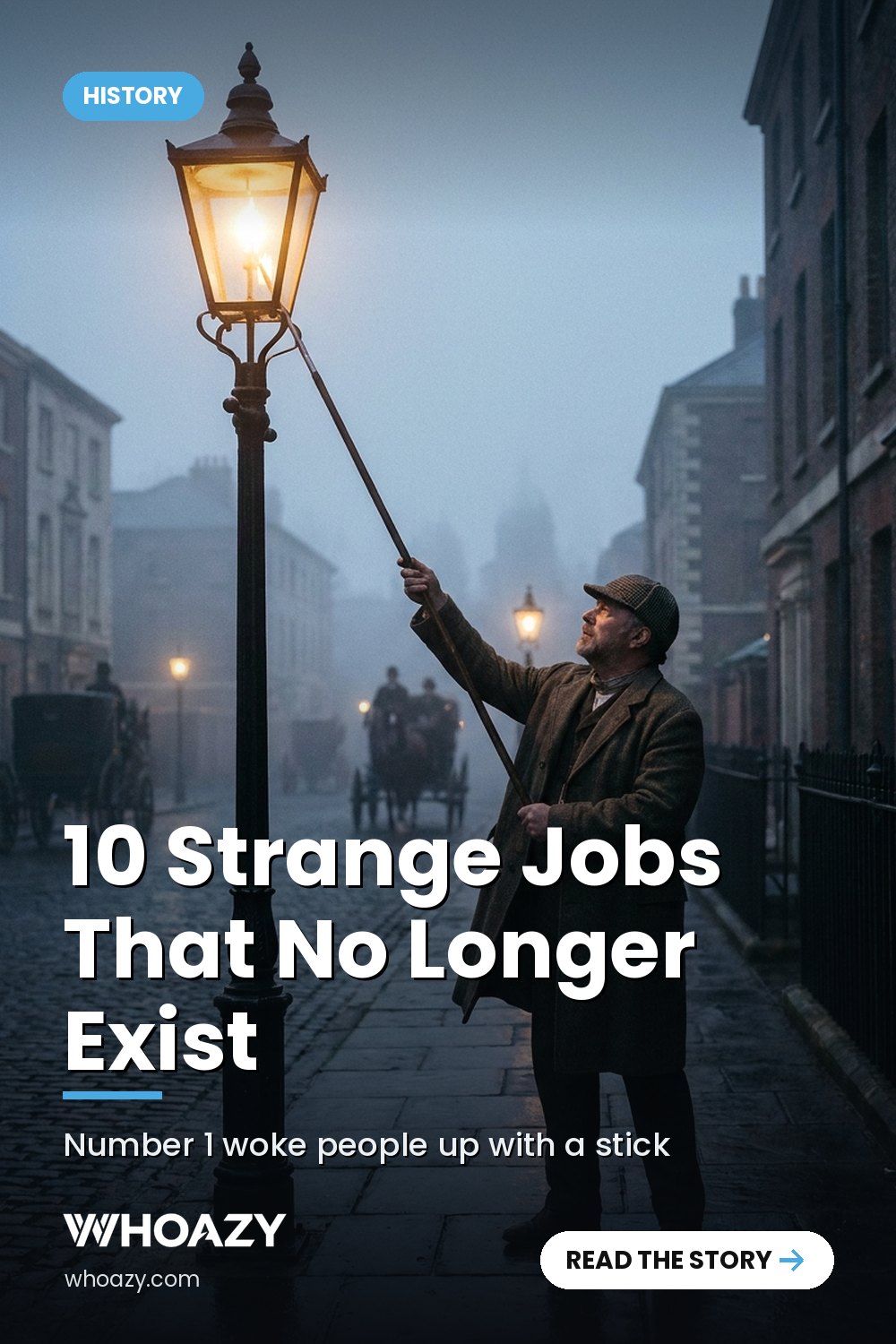
2. Lamplighter
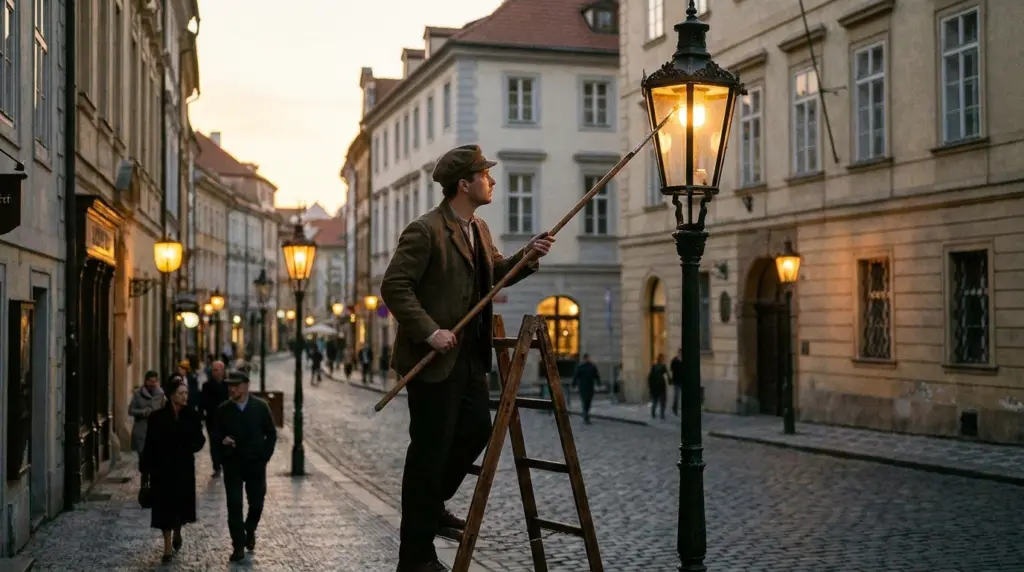
Before electric street lights, cities were lit by gas or oil lamps. Every evening, lamplighters walked their routes with a long pole to light each lamp, then returned in the morning to put them out.
Electric lighting replaced most lamplighters in the early 20th century, adding them to the list of jobs that no longer exist. Amazingly, London still has around 1,500 gas street lamps, which are now looked after by a small team of engineers.
3. Human computer
Before electronic computers, the word “computer” meant a person who did calculations by hand. Many human computers were women, and they performed complex math for astronomy, engineering and space travel.
At NASA, mathematician Katherine Johnson checked the orbital calculations for John Glenn’s 1962 flight around Earth. Glenn reportedly asked for her to verify the electronic computer’s numbers before he would fly. Her story, and those of her colleagues, was told in the book and film Hidden Figures.
4. Ice cutter
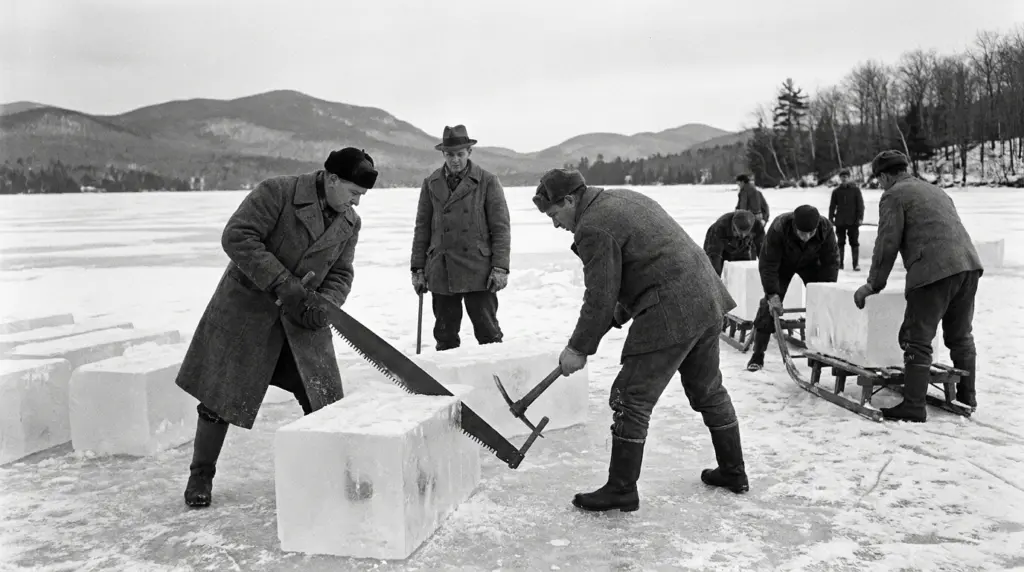
Before refrigerators, people kept food cold with real ice. In winter, ice cutters sawed huge blocks from frozen lakes and rivers and stored them in insulated ice houses, packed with sawdust.
Ice was so valuable that Frederic Tudor, known as the “Ice King,” began shipping ice from New England to the Caribbean in 1806 and later to places as far away as India. Mechanical refrigeration ended the ice-cutting industry.
5. Pinsetter
In early bowling alleys, young boys called pinsetters stood at the end of the lane. After each roll, they reset the fallen pins by hand and sent the ball back, often dodging flying pins.
The job was dangerous and badly paid. In the 1950s, automatic pinsetting machines became common, and human pinsetters quickly disappeared.
6. Switchboard operator
In the early days of the telephone, calls were not connected automatically. Switchboard operators sat at big boards and plugged cables into the right sockets to connect callers.
In 1878, Emma Nutt became the first woman telephone operator in Boston. Thousands of operators followed, but automatic switching systems eventually made the job almost disappear.
7. Leech collector
For centuries, doctors used leeches to treat illnesses by drawing blood. In the 1800s, leech collectors, often women, waded into ponds and let leeches attach to their bare legs, then pulled them off and sold them.
It was unpleasant and unhealthy work. As medical science moved on, the demand for leeches dropped. Interestingly, medical leeches are still used in a few special cases today, but they are raised on farms.

8. Lector in a cigar factory
In cigar factories in Cuba and in Tampa, Florida, rows of workers rolled cigars by hand for hours. To keep them entertained and informed, a lector sat on a raised platform and read aloud from newspapers and novels.
One favorite book was The Count of Monte Cristo, which is said to have inspired the name of the famous Montecristo cigar brand. A few Cuban factories still keep this tradition alive today.
9. Rat catcher
In crowded cities of the past, rats spread disease and damaged food stores. Rat catchers used traps, ferrets and dogs to control them.
In Victorian London, a man named Jack Black became famous for calling himself the official rat catcher to Queen Victoria. Today, pest control companies do this job with modern methods.
10. Elevator operator
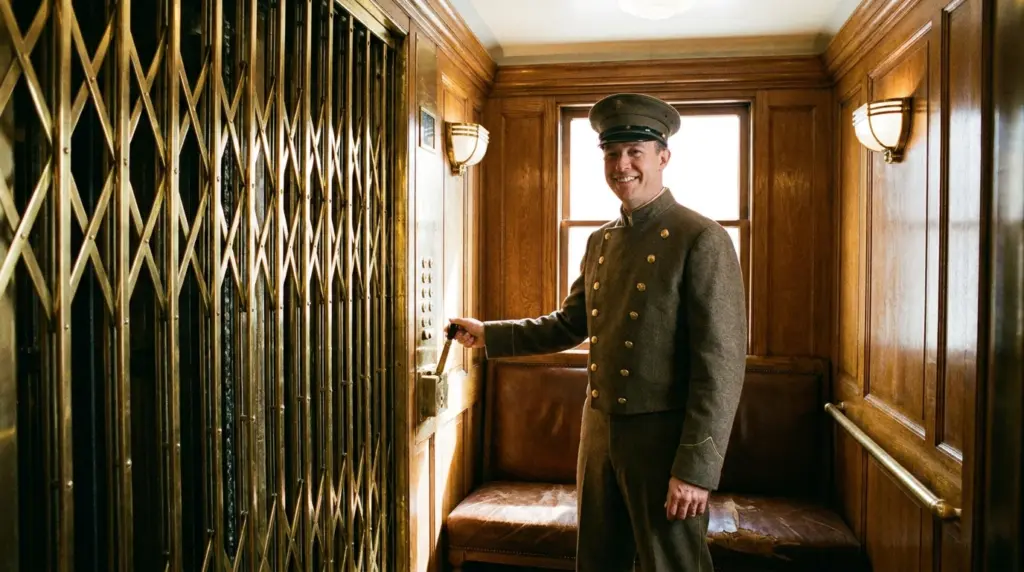
When elevators first appeared in tall buildings, they were operated by hand. Elevator operators controlled the speed, stopped at the right floor and opened the doors for passengers.
Many people did not trust elevators without an operator. A strike by elevator operators in New York in 1945 helped convince building owners to switch to automatic elevators, and the job slowly faded away.
More old jobs that have almost vanished
The list does not stop there. Here are a few more old jobs that were once common but are now very rare.
- Town crier: before newspapers were common, town criers rang a bell and shouted the latest news in the town square. A few towns keep the tradition alive for ceremonies and festivals.
- Telegraph operator: operators sent messages across long distances by tapping out Morse code. Telephones, and later email, made the job disappear.
- Typesetter: before digital printing, typesetters arranged thousands of tiny metal letters by hand to print every page of a newspaper or book.
- Milkman: milk was once delivered to the doorstep every morning in glass bottles. A few milk delivery services still exist, but supermarkets replaced most of them.
Jobs that no longer exist: what jobs will disappear next?
Every one of these old jobs disappeared because of new inventions, from alarm clocks to computers. Today, technology like self-driving cars and artificial intelligence may change many modern jobs in the same way.
But history also shows that new technology creates new kinds of work. Who knows what strange jobs people in the future will be reading about?
If you enjoyed reading about these jobs that no longer exist, you might also love our stories about inventions discovered by accident and abandoned places around the world.
Frequently asked questions
What was a knocker-up?
A knocker-up was a person paid to wake workers in the morning by tapping on their windows with a long stick or shooting peas at the glass.
What were human computers?
Human computers were people, often women, who did complex calculations by hand before electronic computers. Katherine Johnson worked as one at NASA.
Are there still lamplighters?
Most are gone, but London still has around 1,500 gas street lamps maintained by a small team of engineers.
Why did so many old jobs disappear?
Most jobs that no longer exist disappeared because of new technology, such as alarm clocks, electric lights, refrigerators, automatic machines and computers.
Save this for later
You might also like
Want more? Browse all our History stories.