
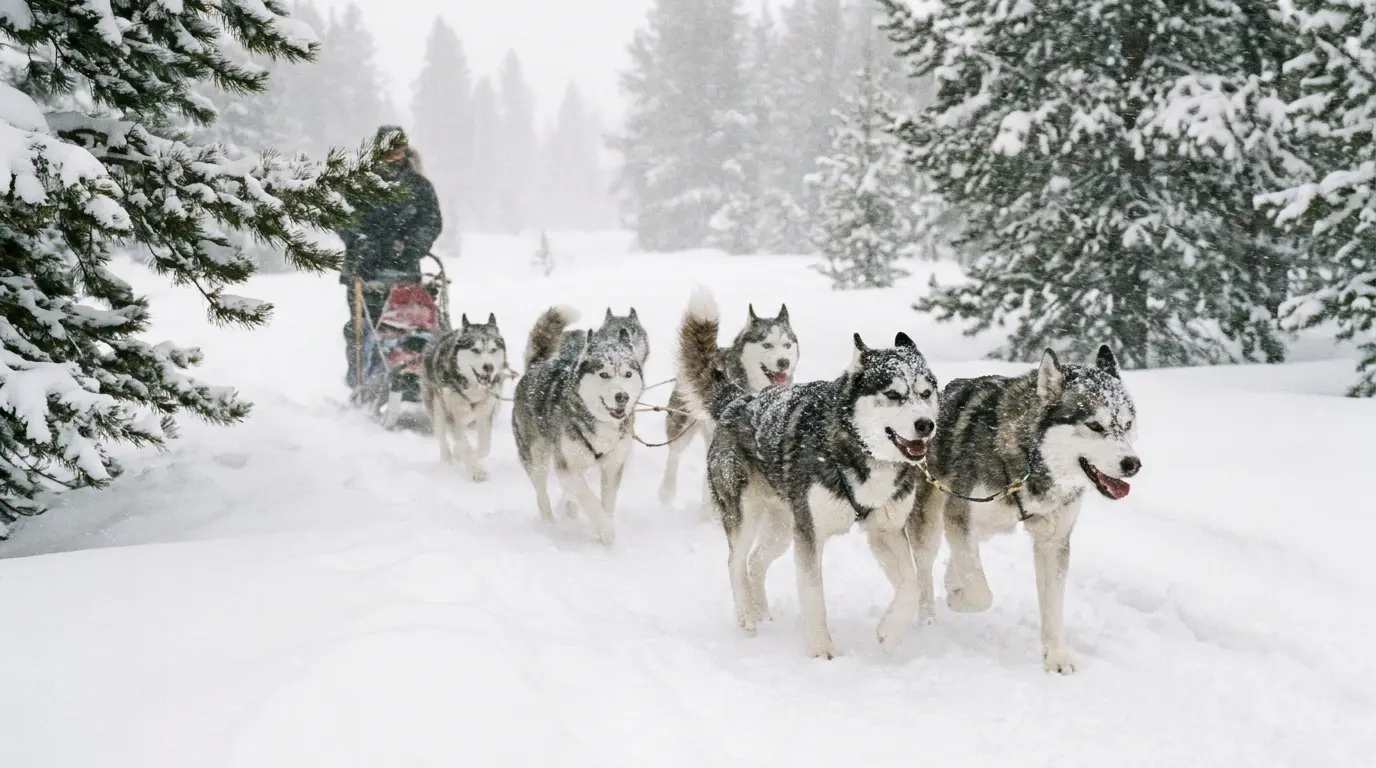
In the winter of 1925, a small town in Alaska faced a deadly disease, and the only hope was a team of sled dogs. The Balto true story is one of the most famous animal stories in history. It inspired a statue in New York’s Central Park, an animated movie and a famous sled dog race that still runs today.
But the real story of the serum run is even more dramatic than the movie, and it includes another dog that many people believe was the true hero.
A deadly outbreak in Nome
In January 1925, doctors in Nome, Alaska, discovered cases of diphtheria, a serious disease that was especially dangerous for children. The town’s only doctor, Curtis Welch, knew an epidemic could kill many people. He needed antitoxin serum, and he needed it fast.
The nearest supply was in Anchorage, roughly 1,600 kilometers away. In winter, Nome was cut off from the rest of the world. Ships could not reach it through the frozen sea, and the few airplanes of the time could not safely fly in the extreme cold.
The great serum run of 1925
Officials came up with a bold plan. The serum would travel by train to the town of Nenana, then be carried the rest of the way, about 1,085 kilometers, by a relay of dog sled teams.
Around 20 mushers and about 150 dogs took part in the serum run. They raced day and night through blizzards, with temperatures that sometimes fell far below freezing. Each team passed the precious package of serum to the next, like runners in a relay race.
Normally, the journey took weeks. The teams completed it in about five and a half days.
Who was Balto?
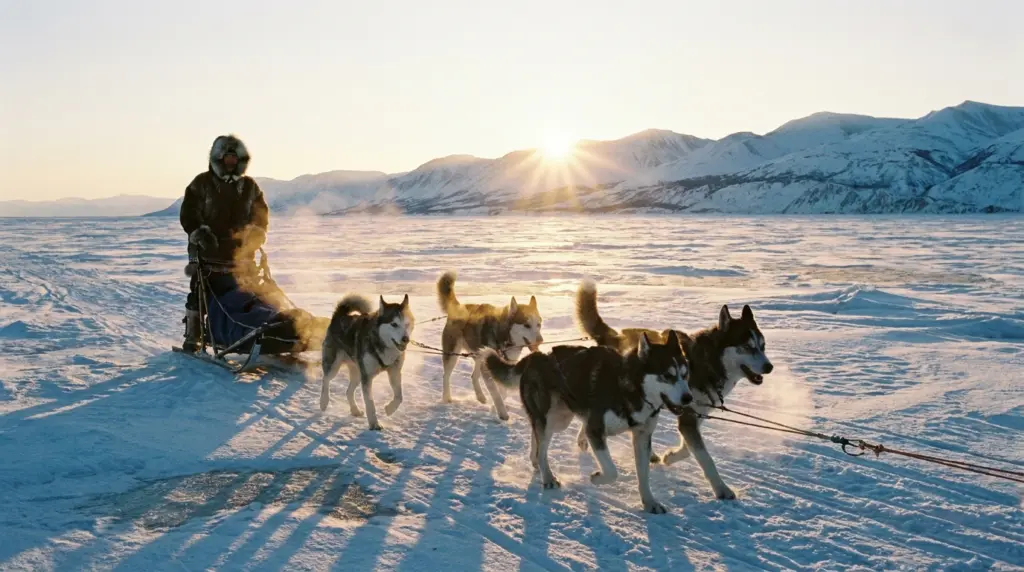
Balto was a black Siberian husky who ran in the team of musher Gunnar Kaasen. Kaasen’s team ran the final leg of the relay. During the run, a powerful storm made it almost impossible to see, and Kaasen later said he could barely see his own dogs. He trusted Balto, his lead dog, to stay on the trail.
In the early morning of February 2, 1925, Balto led the team into Nome with the serum. The medicine was delivered, and the outbreak was brought under control. News of the run spread around the world, and Balto suddenly became a celebrity.
Togo: the hero many people forgot
The part of the Balto true story that surprises most people is that Balto did not run the longest or most dangerous leg of the serum run. That honor belongs to a dog named Togo.
Togo was the lead dog of famous musher Leonhard Seppala. Together, their team covered around 420 kilometers in total, far more than any other team. Their route included a risky crossing of the frozen Norton Sound, where the ice could break apart at any moment. Togo was already 12 years old at the time.
Because Balto finished the final stretch, he received most of the fame. Seppala felt Togo deserved more recognition. In 2019, Disney released a film called Togo that finally shared his side of the story.
Balto’s statue and later life
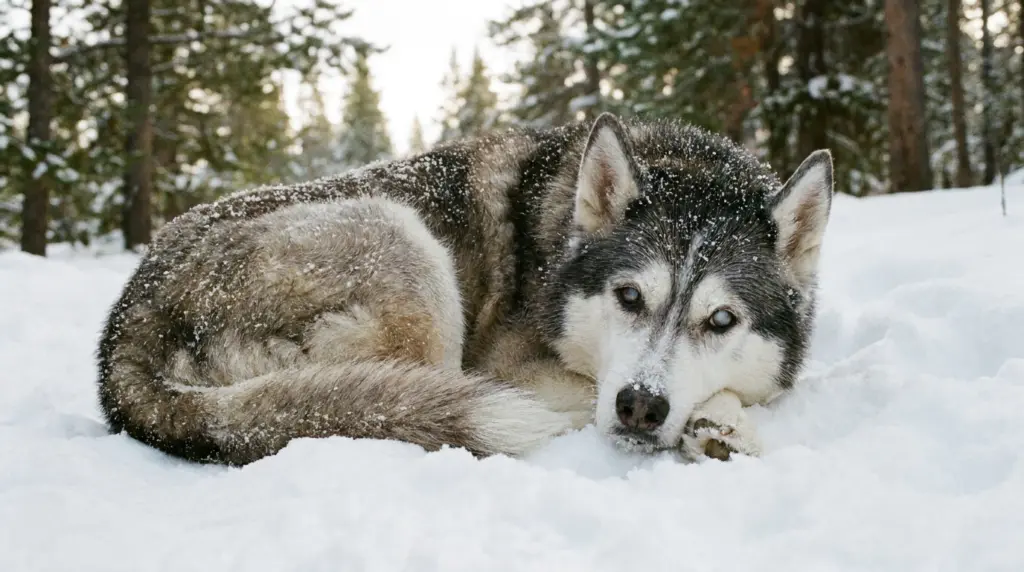
In December 1925, less than a year after the serum run, a bronze statue of Balto was unveiled in Central Park in New York City. Balto himself attended the ceremony. The statue is still there today, and its back and ears are polished smooth by children who climb on it.
Balto’s later life was not always easy. He and his teammates were sold and ended up in a sideshow in Los Angeles, where they were reportedly kept in poor conditions. In 1927, a businessman named George Kimble saw them and led a campaign in Cleveland, Ohio, to raise money to buy the dogs. Schoolchildren helped collect the funds, and the dogs were moved to the Cleveland Zoo, where they lived out their lives. After Balto died in 1933, his body was preserved and is now displayed at the Cleveland Museum of Natural History.
The Iditarod: honoring the serum run
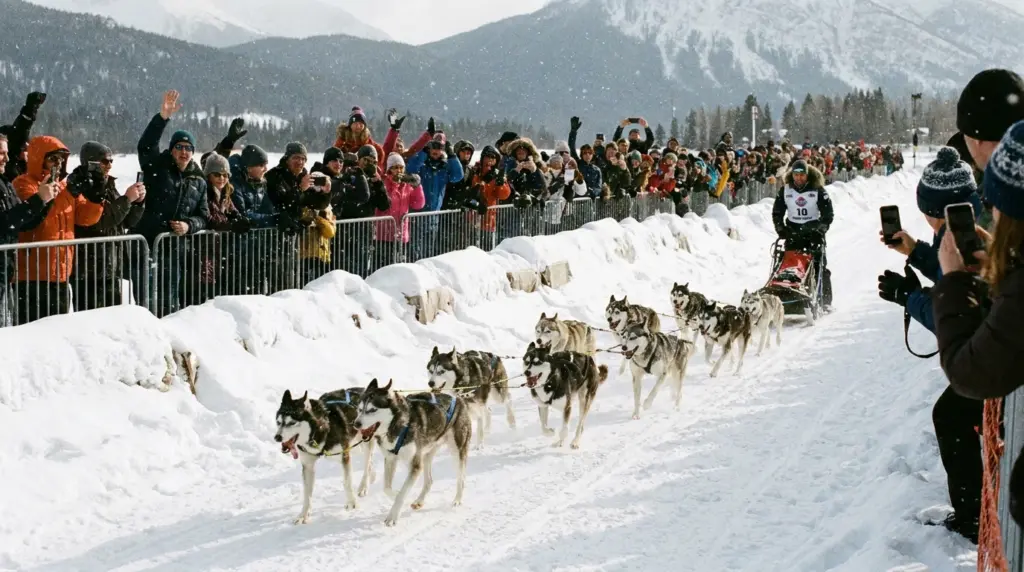
The spirit of the serum run lives on in the Iditarod Trail Sled Dog Race, first held in 1973. Mushers and their dog teams race across Alaska, covering more than 1,500 kilometers through some of the toughest terrain on Earth.
The race honors the history of sled dogs in Alaska, including the dogs who carried the serum to Nome. Every year, it reminds the world how important sled dogs once were for survival in the far north.
Why the Balto true story still matters
The Balto true story is about more than one famous dog. It is about teamwork, courage and the amazing bond between humans and animals. Every musher and every dog in the serum run played a part in saving the children of Nome.
Next time you see a husky, remember that its ancestors once raced through a blizzard to deliver hope. Balto and Togo both earned their place in history.
If you enjoyed reading about the Balto true story, you might also love our stories about the true story of Hachiko and animals that mate for life.
Frequently asked questions
Is the Balto true story real?
Yes. In 1925, Balto led the final team of a dog sled relay that delivered diphtheria serum to Nome, Alaska.
Was Balto or Togo the real hero?
Both were heroes. Balto led the final leg into Nome, but Togo and musher Leonhard Seppala covered the longest and most dangerous part of the serum run.
How far did the serum run travel?
The dog sled relay covered about 1,085 kilometers from Nenana to Nome in about five and a half days.
Where is Balto now?
Balto’s preserved body is displayed at the Cleveland Museum of Natural History, and his statue stands in Central Park, New York.
Save this for later
You might also like
Want more? Browse all our Animals stories.