

We love a good love story, and nature has a few that are surprisingly sweet. There are animals that mate for life, staying with the same partner season after season, raising their young together and sometimes even greeting each other with special rituals after time apart.
But animal love is a little more complicated than a fairy tale. Scientists separate two ideas: social monogamy, where a pair lives and raises young together, and sexual monogamy, where neither partner mates with anyone else. Many famously faithful animals are socially monogamous but not always sexually exclusive. Even so, the bonds some of them form are genuinely remarkable.
How rare is lifelong love in the animal world?
Monogamy is common in birds but rare in mammals. Over 90% of bird species form some kind of pair bond, although not always for life and not always perfectly faithful. In mammals, only around 3 to 5% of species show any form of monogamy at all. That makes the mammals on this list especially unusual.
Here are 10 animals that mate for life, or come impressively close.
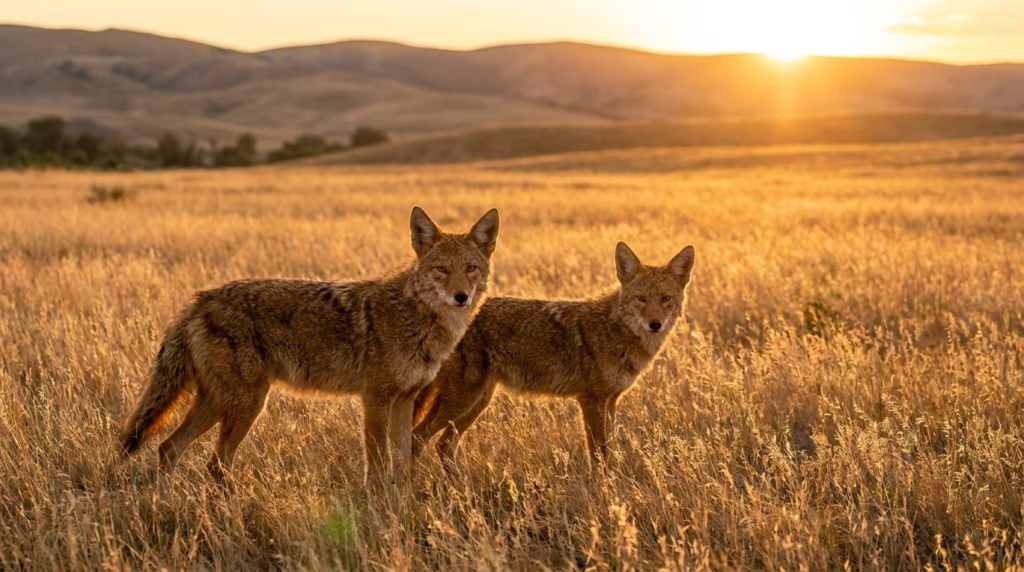
1. Coyotes – partners until death
Coyotes are one of the best examples of loyal partners among mammals. A coyote pair does not “divorce,” and an animal will usually only take a new mate if its partner dies. During the breeding season, males guard their mates closely, and researchers have found little evidence of cheating, which is unusual compared with some other members of the dog family.
Coyote parents also raise their pups together. Both adults hunt and bring food back to the den, and the family often stays together for months while the young learn to survive.
2. Black vultures – together all year
Black vultures may not win many beauty contests, but they are some of the most devoted birds around. Pairs stay together throughout the year and across many breeding seasons. Genetic studies have found no evidence of them mating outside the pair, which is rare even among birds.
Their courtship is surprisingly charming: pairs bond through strutting and head-bobbing displays, and they share the work of raising their chicks.
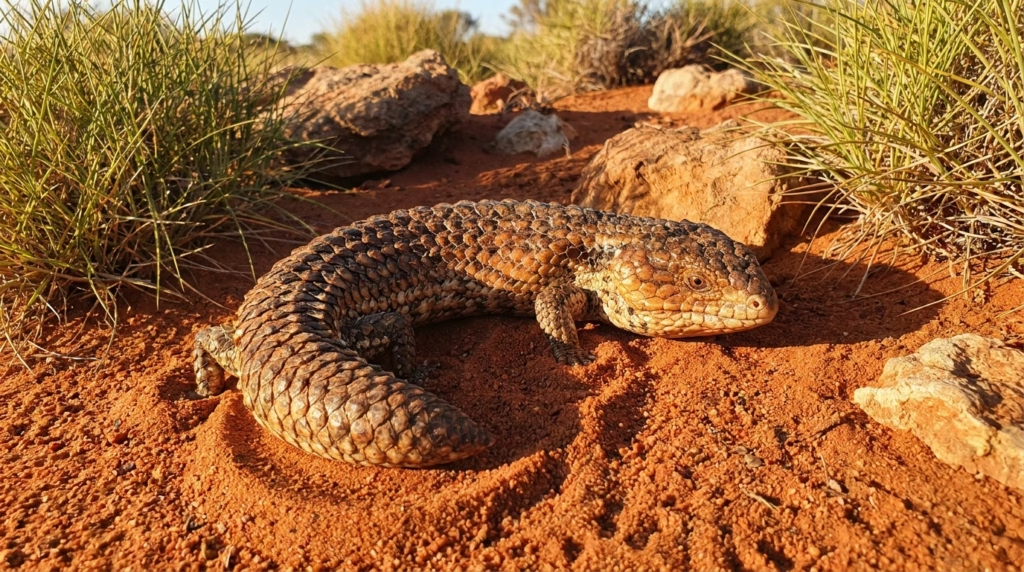
3. Shingleback skinks – the lizard love story
Australia’s shingleback skink is a chunky, slow-moving lizard with a short, stumpy tail, and it is famous among scientists for its loyalty. Pairs often reunite every spring, and some pair bonds have been recorded lasting up to 20 years.
Studies show that the bond is mostly social. In one study, about 20% of males mated with more than one female. Still, for a reptile, returning to the same partner year after year is extraordinary.
4. Eurasian beavers – family-first engineers
Eurasian beavers live in tight family groups made up of a mother, a father and their young. Together they build and maintain lodges and dams, and the young belong only to the bonded pair, so their social and sexual monogamy line up.
Interestingly, their North American cousins are not always as faithful. Genetic analysis of North American beavers found that up to half of litters had more than one father.
5. Prairie voles – the tiny romantics of science
Prairie voles are small, mouse-like rodents, but they are superstars in the science of love. A male prairie vole often bonds with the first female he mates with. The pair live together year-round, huddle, groom each other and raise their pups as a team.
Scientists study prairie voles to understand how bonding works in the brain, and hormones such as vasopressin appear to play a key role. Like many “faithful” animals, voles sometimes mate outside the pair, but the partnership itself is long-lasting.
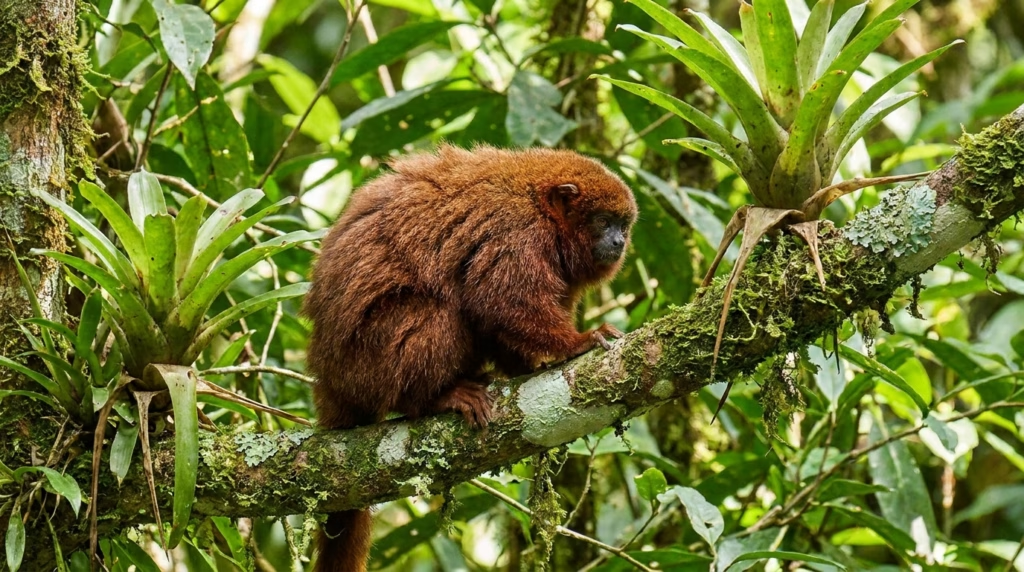
6. Coppery titi monkeys – dads who carry the babies
Coppery titi monkeys from South America live in long-term pairs and spend time together even outside the breeding season. Partners often sit side by side with their tails twisted together.
What makes them special is how much the fathers help. Titi monkey dads carry the infants almost all the time, handing them to the mother mainly for nursing. Genetic studies have found no evidence of mating outside the pair.
7. Atlantic puffins – reunited every spring
Atlantic puffins, with their colorful beaks, often keep the same mate for many years. Their relationship is part-time, though. Puffins spend much of the year at sea, apart, then return to the same burrow on the same cliff to breed.
Some scientists think puffins are loyal to the nest site as much as to the partner. Either way, the pair shares the work: the female does most of the chick care, while the male guards and maintains the burrow.
8. Black-browed albatrosses – loyal, but feeling the heat
Albatrosses are famous for long relationships, and black-browed albatrosses usually reunite with the same partner every breeding season after months apart over the ocean.
However, “divorce” does happen, and it seems to be becoming more common. A 2021 study linked more breakups after failed breeding seasons to warmer ocean waters, which force the birds to make longer, more stressful trips to find food.

9. White-handed gibbons – singing couples
White-handed gibbons live in pairs with their young and often perform loud, beautiful songs together, which help mark their territory and strengthen their bond.
Researchers once considered gibbons a classic example of animals that mate for life, but long-term studies show the picture is more mixed. Some gibbons switch partners or mate outside the pair, and group arrangements can vary depending on territory and conditions.
10. Anglerfish – the strangest commitment of all
Deep in the dark ocean lives one of the oddest love stories on Earth. In some anglerfish species, a tiny male finds a much larger female and bites onto her body. Over time, he fuses with her, their bloodstreams connect, and he spends the rest of his life attached to her, supplying sperm.
It is a lifelong commitment in the most literal sense, although a single female can carry several males at once.
What animals that mate for life teach us
Lifelong partnerships in nature are not really about romance. They usually help animals raise young successfully, defend territory or survive in places where finding a new partner is difficult. Still, it is hard not to smile at a coyote pair hunting together, a titi monkey dad carrying his baby or puffins finding each other again on the same windy cliff.
These animals that mate for life remind us that loyalty and teamwork are some of nature’s most powerful survival tools.
If you enjoyed reading about these animals that mate for life, you might also love our stories about the smartest animals in the world and the true story of Hachiko.
Frequently asked questions
Which animals truly mate for life?
Coyotes, black vultures and coppery titi monkeys are among the most faithful. Genetic studies of black vultures and titi monkeys have found no evidence of mating outside the pair.
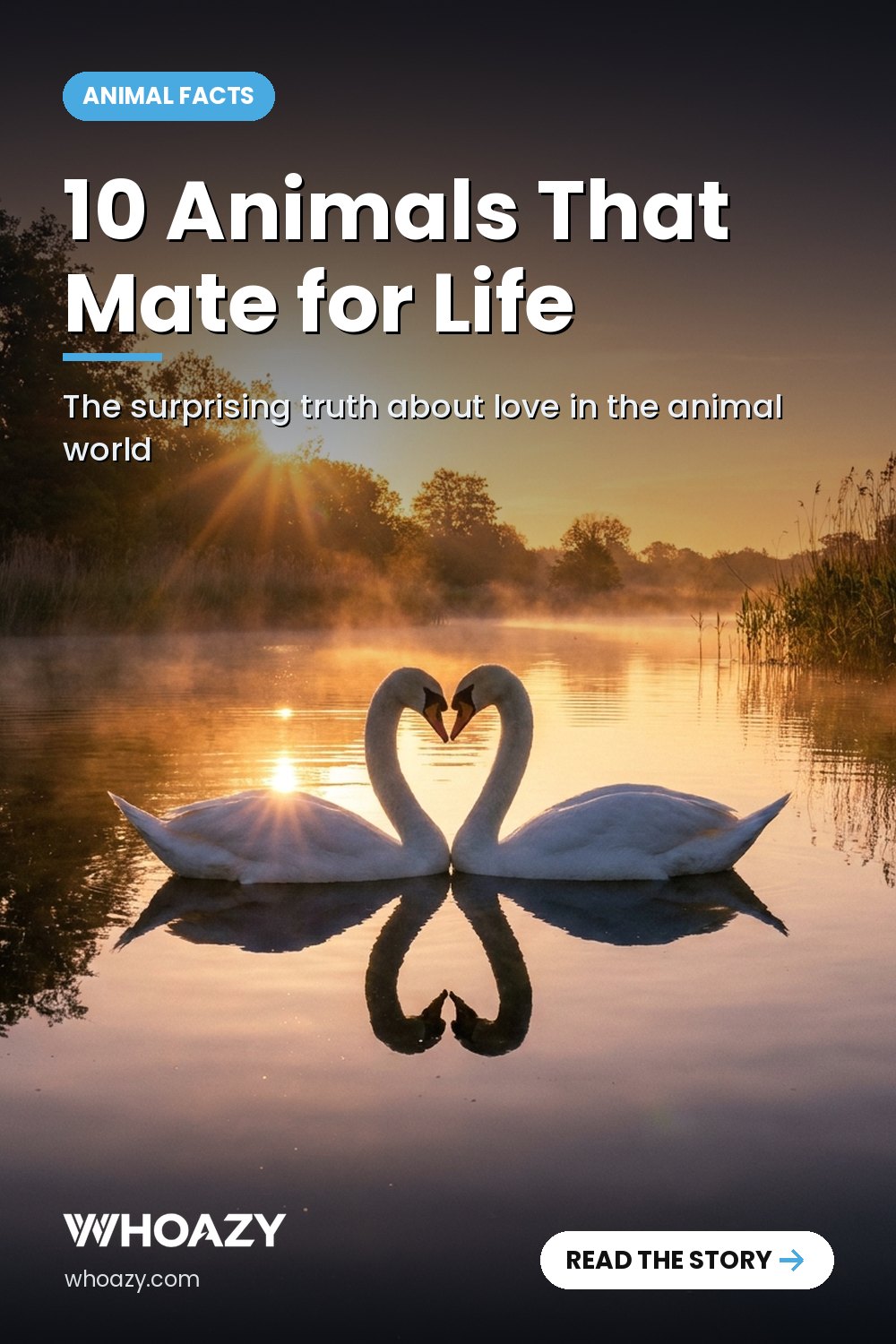
Do swans really mate for life?
Swans are well known for forming long-term pair bonds, but like many birds, pairs can occasionally separate, especially after failed breeding seasons.
How common is monogamy in mammals?
It is rare. Only about 3 to 5% of mammal species show any form of monogamy, compared with over 90% of bird species that form some kind of pair bond.
What is the difference between social and sexual monogamy?
Social monogamy means a pair lives and raises young together. Sexual monogamy means neither partner mates with anyone else. Many paired animals are socially but not strictly sexually monogamous.
Save this for later
You might also like
Want more? Browse all our Animals stories.