
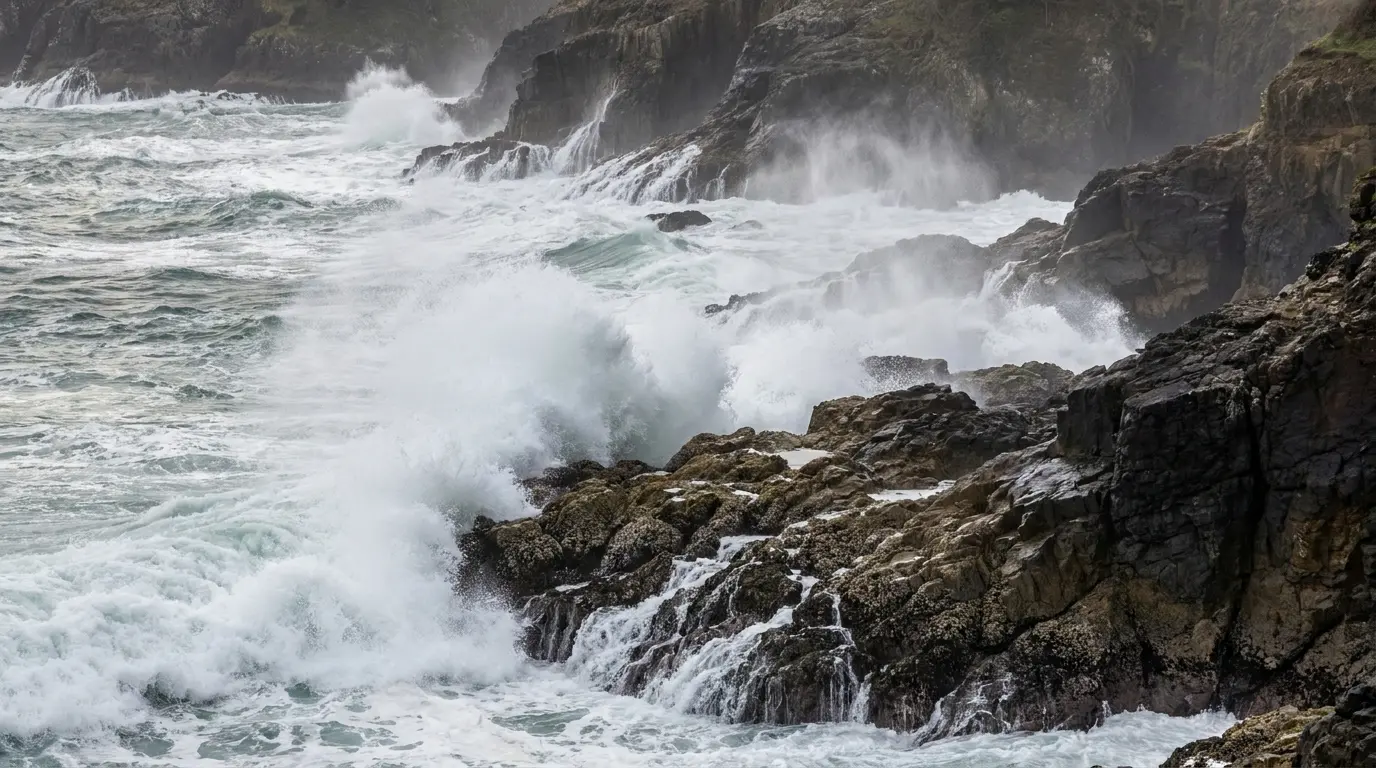
If you have ever swallowed a mouthful of seawater, you know it tastes terrible. But rivers and lakes are fresh, and rivers flow into the sea. So why is the ocean salty, while the water that fills it is not?
The answer is a story that has been unfolding for millions of years. It involves rain, rocks, rivers, undersea volcanoes and the sun. Here is the surprising science behind sea salt, explained simply.
Why is the ocean salty? The short answer
The short answer is that the ocean is salty because salt is constantly being added to it, but it can only leave in very small amounts. Water flows into the ocean carrying tiny amounts of dissolved minerals. When seawater evaporates under the sun, the water rises into the air, but the minerals are left behind.
Over millions of years, those minerals have built up. That is why the ocean is salty today, even though each river only carries a tiny amount of salt.
Source 1: rain, rocks and rivers
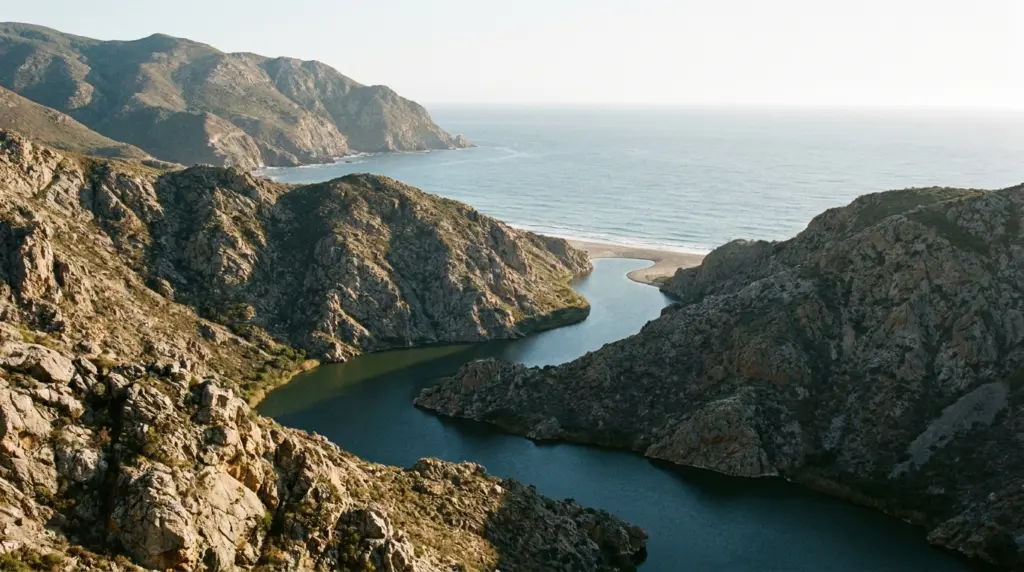
The biggest source of sea salt is the land itself. Rainwater picks up a little carbon dioxide from the air, which makes it very slightly acidic. When this rain falls on rocks, it slowly breaks them down, a process called weathering.
As the rocks wear away, they release minerals in the form of tiny charged particles called ions. Streams and rivers carry these dissolved ions all the way to the ocean. The amount in any river is too small to taste, but over enormous stretches of time, it adds up to a huge amount of salt.
Source 2: hydrothermal vents
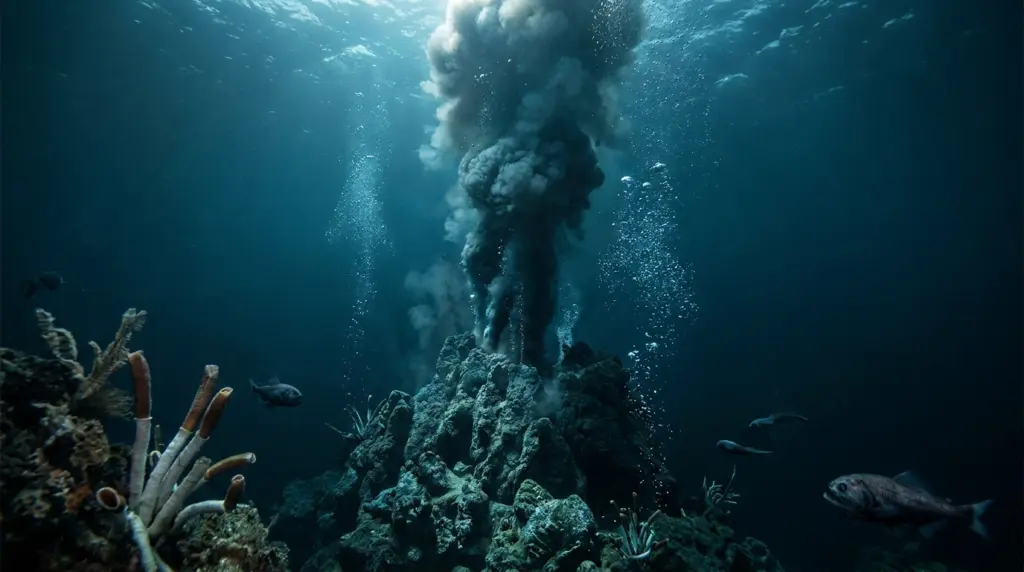
Deep on the ocean floor, there are cracks where seawater seeps into the Earth’s crust. There, it is heated by hot rocks and magma, picks up minerals and then shoots back out into the ocean through openings called hydrothermal vents.
These vents add dissolved minerals to the sea. They also support strange ecosystems of tube worms, shrimp and bacteria that live without sunlight.
Source 3: underwater volcanoes
Underwater volcanoes also play a part. When they erupt, they release minerals and gases directly into the seawater. Together with hydrothermal vents, they add to the mix of substances that make the ocean salty.
What is sea salt made of?
The salt in the ocean is not just the table salt in your kitchen, but the two main ingredients are the same. According to the U.S. National Oceanic and Atmospheric Administration (NOAA), chloride and sodium make up over 90 percent of all the dissolved ions in seawater. Together they form sodium chloride, the same compound we sprinkle on food.
Seawater also contains smaller amounts of magnesium, sulfate, calcium and potassium. These give sea salt its slightly different taste.
How salty is the ocean?
On average, ocean water is about 3.5 percent salt. That means every liter of seawater contains around 35 grams of dissolved salts, roughly two tablespoons.
That may not sound like much, but the ocean is huge. NOAA estimates that if all the salt in the sea were removed and spread evenly over Earth’s land surface, it would form a layer more than 150 meters thick, taller than a 40-story building.
Why are some seas saltier than others?
Not every part of the ocean is equally salty. In hot, dry places, more water evaporates, leaving the water saltier. The Red Sea, surrounded by desert, is one of the saltiest seas connected to the ocean.
In cold places, or where many rivers bring in fresh water, the sea is less salty. The Baltic Sea in northern Europe is much less salty than the open ocean. Then there is the Dead Sea, a salt lake that is nearly ten times saltier than the ocean, so salty that people float easily on its surface.
Why are rivers not salty?
Rivers do carry salt, but only in tiny amounts, and the water keeps flowing. Rain constantly refills rivers with fresh water, so the salt never has a chance to build up. In the ocean, the water leaves by evaporation, but the salt stays behind and slowly accumulates.
Why is the ocean salty but not getting saltier?
You might think the ocean would keep getting saltier forever. In fact, scientists believe its saltiness has stayed fairly stable for a very long time. Salt is removed from the ocean in several ways: some minerals settle to the seafloor and form rock, and marine life uses others, like calcium, to build shells and skeletons.
These natural processes balance out the salt being added, keeping the ocean’s salt level in a steady balance.
Can you drink seawater?
No. Drinking seawater is dangerous because your kidneys have to use more water to get rid of the extra salt than the seawater provides. This can quickly lead to serious dehydration. That is why sailors stranded at sea have always needed fresh water.
Today, some countries turn seawater into drinking water through a process called desalination, which removes the salt using special filters or evaporation.
If you enjoyed reading about why the ocean is salty, you might also love our stories about rare natural phenomena and pink lakes around the world.
The bottom line
So, why is the ocean salty? Because rain breaks down rocks, rivers carry the minerals to the sea, undersea vents and volcanoes add even more, and evaporation leaves the salt behind. Over millions of years, this simple cycle has turned the ocean into the vast, salty world it is today.
Frequently asked questions
Why is the ocean salty but rivers are not?
Rivers carry only tiny amounts of salt and are constantly refilled with fresh rainwater. In the ocean, water evaporates but salt stays behind and builds up over time.
Where does the salt in the ocean come from?
Most comes from rocks on land that are broken down by rain. Rivers carry the minerals to the sea. Hydrothermal vents and underwater volcanoes add more.
How salty is the ocean?
Seawater is about 3.5 percent salt on average, or about 35 grams of salt in every liter.
Why can’t we drink seawater?
Your kidneys need more water to remove the extra salt than seawater provides, which leads to dehydration.
Save this for later
You might also like
Want more? Browse all our Nature stories.