
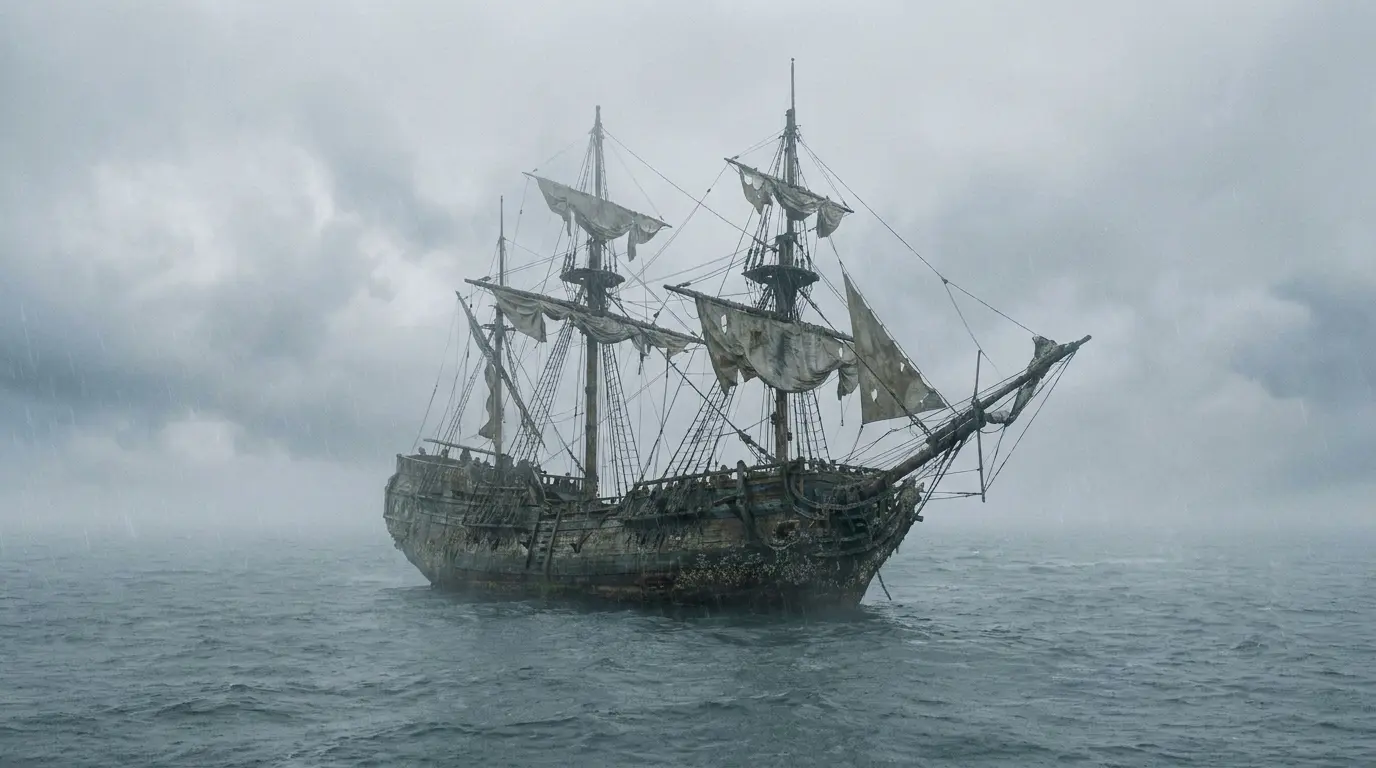
On December 4, 1872, sailors on a ship called the Dei Gratia spotted another vessel drifting strangely in the Atlantic Ocean, somewhere between the Azores and the coast of Portugal. Its sails were partly set, but it was moving erratically, as if nobody was steering. When the crew rowed over and climbed aboard, they found the ship completely empty.
That ship was the Mary Celeste. Its captain, his wife, their two-year-old daughter and seven crew members had vanished. More than 150 years later, the Mary Celeste mystery is still one of the most famous sea mysteries of all time.
The Mary Celeste before the mystery
The ship was built in Nova Scotia, Canada, and launched in 1861 under the name Amazon. It had a run of bad luck early on, including the death of its first captain and several accidents. After running aground in 1867, it was sold, repaired and renamed the Mary Celeste.
In November 1872, the ship was ready for a new voyage. Its captain was Benjamin Briggs, an experienced and respected sailor. His wife Sarah and their young daughter Sophia came along too. The ship carried 1,701 barrels of industrial alcohol from New York to Genoa in Italy.
The voyage of the Mary Celeste
The Mary Celeste left New York on November 7, 1872. On board were ten people: Captain Briggs, his wife, his daughter and seven crew members.
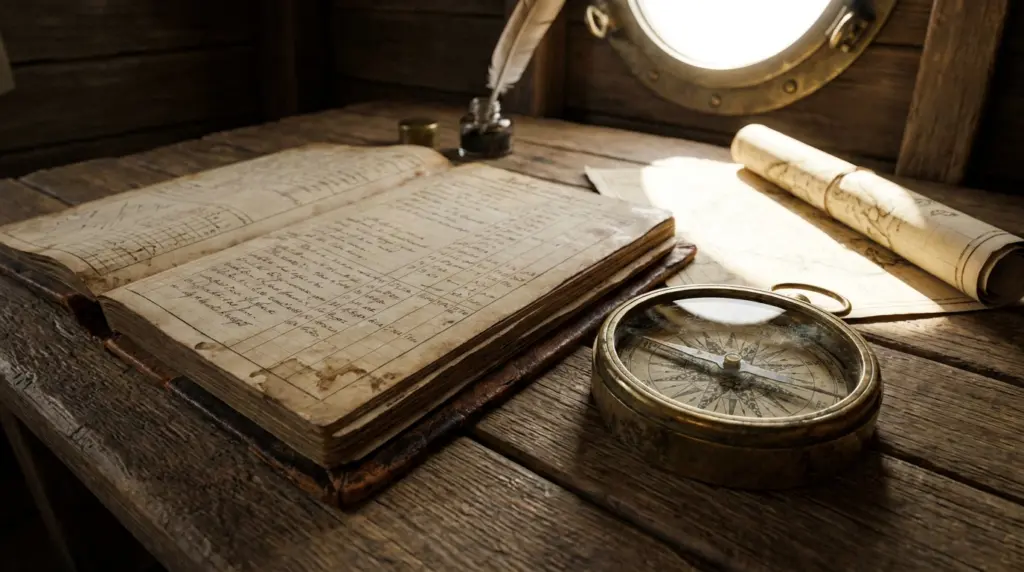
The last entry in the ship’s log was written on November 25, 1872. It placed the ship near the island of Santa Maria in the Azores. After that, nothing. Ten days later, the Dei Gratia found the Mary Celeste hundreds of miles away, still sailing, with no one on board.
What the boarding party found
The sailors from the Dei Gratia searched the ship carefully. What they found has puzzled people ever since:
- The ship’s single lifeboat was missing.
- There was about six months’ supply of food and fresh water on board.
- The crew’s personal belongings, including clothes and pipes, had been left behind.
- The cargo of alcohol was almost entirely intact, but nine barrels were empty.
- There was around three and a half feet of water in the hold, but the ship was still seaworthy.
- One of the pumps had been taken apart, and a sounding rod used to measure water in the hold was lying on deck.
There were no signs of a fight, and nothing suggested the crew had been attacked. It looked as if everyone had left in a hurry, taking the lifeboat and very little else.
The famous myths about the ghost ship
Many popular stories say the crew vanished in the middle of eating breakfast, with warm tea still on the table. These details are not true. Much of the legend comes from a short story published in 1884 by a young writer named Arthur Conan Doyle, who later created Sherlock Holmes.
His fictional story, which called the ship the “Marie Celeste,” mixed facts with invented details. It was so popular that many people believed it was a real account, and the myths have followed the ghost ship ever since.
5 theories about the Mary Celeste mystery
1. Fear of an explosion
The most popular theory involves the cargo. The alcohol barrels were made of red oak, which is more porous than other woods, and nine of them had leaked. Alcohol fumes may have built up in the hold. If Captain Briggs smelled strong fumes or heard a rumble, he may have feared the ship was about to explode and ordered everyone into the lifeboat.
In 2006, a chemist at University College London tested this idea with a model of the hold. Burning alcohol vapor created a frightening blast of flame, but it was a cool flame that did not leave scorch marks. This could explain why the ship looked undamaged.
2. A faulty pump and a wrong position
A 2007 investigation suggested a different chain of events. Captain Briggs may have had an inaccurate chronometer, causing him to misjudge the ship’s position. If he also thought the ship was taking on water, because the pump was clogged or broken, he might have decided to abandon ship near Santa Maria Island, the closest land.
3. A waterspout or bad weather
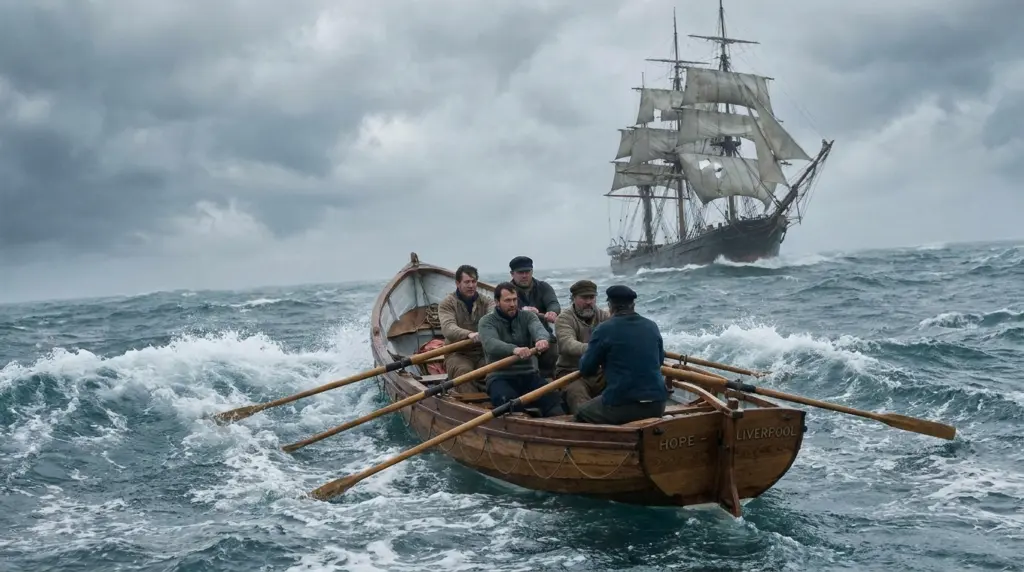
Some researchers believe a waterspout or sudden storm may have hit the ship. Sudden changes in pressure could have made the pumps show more water than there really was, convincing the crew that the ship was sinking.
4. Pirates or mutiny
Early on, some people suspected pirates or a mutiny. But nothing valuable was taken, there were no signs of violence, and the crew had a good reputation. Most historians now reject this theory.
5. Insurance fraud
At the salvage hearing in Gibraltar, officials wondered whether the captains of the two ships had planned the whole thing together to collect money. There was never any real evidence for this, and Captain Briggs had a share in the ship himself, so most historians do not believe it.
What happened to the Mary Celeste afterwards?
The Mary Celeste kept sailing for another 12 years, but it was never a lucky ship. In 1885, its captain at the time deliberately ran it onto a reef near Haiti in an attempt at insurance fraud. The plan failed, and the ship was left to rot. In 2001, a team led by author Clive Cussler announced that they may have found its remains, although this has been debated.
The Mary Celeste mystery: final thoughts
The crew of the Mary Celeste were never seen again. Most likely, they climbed into the small lifeboat because they believed the ship was in danger, and were then lost at sea when the ghost ship sailed on without them. We will probably never know for sure.
That uncertainty is exactly why the Mary Celeste mystery still fascinates people today, just like the lost colony of Roanoke and other great unsolved stories from history.
If you enjoyed reading about the Mary Celeste, you might also love our stories about the lost colony of Roanoke and abandoned places with haunting stories.
Frequently asked questions
What happened to the Mary Celeste crew?
No one knows for sure. The most likely explanation is that the ten people on board left in the lifeboat, fearing the ship was in danger, and were lost at sea.
When was the Mary Celeste found?
The ship was found drifting with no one on board on December 4, 1872, between the Azores and Portugal, by the crew of the Dei Gratia.
Was there warm food on the Mary Celeste?
No. Stories about warm tea and half-eaten breakfast come from an 1884 short story by Arthur Conan Doyle, not from the real reports.
What was the Mary Celeste carrying?
It was carrying 1,701 barrels of industrial alcohol from New York to Genoa, Italy. Nine of the barrels were found empty.
Watch a story or save this one
Tap the story for another quick fact, or pin this article to read again later.

You might also like
Want more? Browse all our History stories.